November 2014 Round-Up

Ah, November is over. I don’t know where the month went. (I say that a lot, don’t I?) But somehow between all the days — it was a better month for me — the month flew by. I did manage to get a lot read, which helped me fall out of a slump. The other thing that helped with the slump was discovering Serial. A story told over the course of  40-minute podcasts, one a week, it details reporter Sarah Koenig’s investigation into a 1999 murder of a 17 year old girl, Hae. It’s not only a fascinating story to listen to (and one I have become a bit obsessive about), it’s a fantastic bit of reporting. Seriously. Check it out, if you already hadn’t.

My favorite book this month:

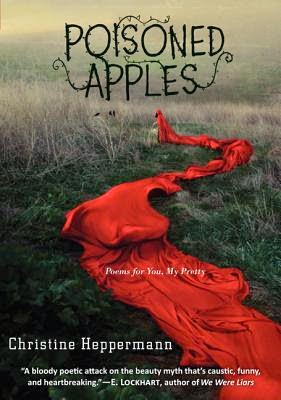
Poisoned Apples

I loved this book. Seriously.

As for the rest….

Non-Fiction

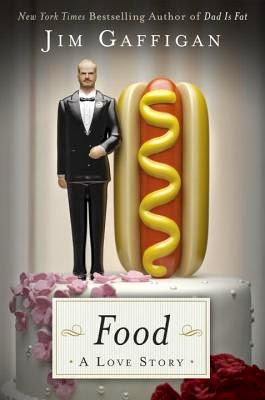
Food, a Love Story (audio)
Neil Patrick Harris: Choose Your Own Autobiography (audio)
Rethinking Normal
Some Assembly Required (DNF)
Stiff (audio)

YA:

The Cure for Dreaming
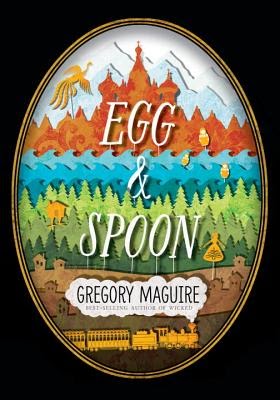
Egg & Spoon
I’ll Give You the Sun
Mortal Heart
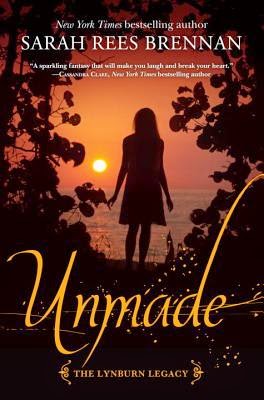
Unmade
Vivian Apple at the End of the World
Yaqui Delgado Wants to Kick Your Ass

Middle Grade

The Blood of Olympus
Brown Girl Dreaming
Rain Reign
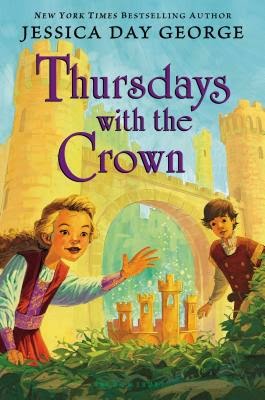
Thursdays With the Crown

Graphic Novels

Hidden
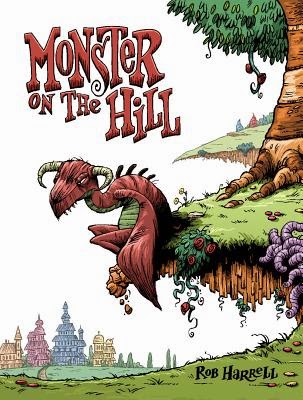
The Monster on the Hill
Odd Duck

What were your favorites this month?

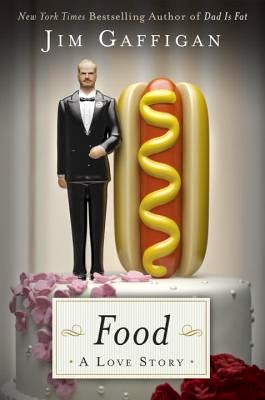
Audiobook: Food, A Love Story

by Jim Gaffigan
read by the author
Support your local independent bookstore: buy it there!
Content: There’s some mild swearing, but its quite seldom. It’s in the humor section of the bookstore.

I love food. I  love to laugh. And yeah, I kind of like Jim Gaffigan’s humor, though I’m new to it (and only in book form, having quite enjoyed Dad is Fat.) All that adds up to a “yeah, I guess I’ll pick up the audio version of his new book” mentality.

There’s really not much to say about this book beyond that it’s hilarious and a lot of fun to listen to. Gaffigan isn’t a foodie (he’s an “eatie”) and so there’s really not luscious descriptions of making food or of recipes (there is one — how to make a hot dog — and it’s quite hilarious) or how food changes lives. No, I imagine it’s just a series of stand-up bits (which is why I think this works better in audio. Plus he does voices, which end up adding to the humor) based on Gaffigan’s love of eating… everything. (And, yes, for those who are actually fans, he does have a chapter on Hot Pockets.)

Some highlights: the chapter on steak, or desserts, or breakfast foods, or on bacon. He hates vegetables and thinks kale is the worst thing ever. It’s really an every-person’s (read: non-food snob) tribute to the joy of eating. And the only down side? I often got hungry while I was listening to it.

Enjoyable, to say the least.

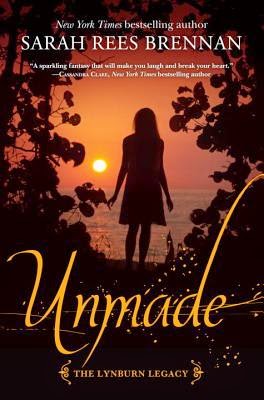
Unmade

by Sarah Rees Brennan
First sentence: “Kami Glass was standing to close to the fire.”
Support your local independent bookstore: buy it there!
Others in the series: Unspoken, Untold
Content: There’s a lot of violence, some of it brutal, plus some almost sexytimes. Not enough, however, to move it from the YA section (grades 6-8) of the bookstore.

Remember last time when I said the book was a bit of a middle book, and that the ending had me excited for the conclusion? (No? Well, neither did I?) Even so, I was able to fall back into Sorry-in-the-Vale with the Lynburns and Kami Glass with all her snarky confidence and contagious hope with ease.

Rob Lynburn has all the cards, all the power. And that has made Jared and Ash and Kami and their “side” quite desperate. Desperate enough to do desperate and dangerous things. This is an epic battle, a long, slow buildup to an intense climax. And interspersed in all that is heartache and love, loss and life, and a lot of heart.

This is a series, I think, that demands to be binge-read. And, thankfully, now you can. Sit down over a long weekend (like… Thanksgiving!) and immerse yourself in this deep, complex, wonderful world Brennan has created. Enjoy the characters, the good vs evil, the humor, the mystery, all at once without the wait.

I wish I could have. I enjoyed this book, but I think I would have enjoyed it SO much more had I read them all at once.

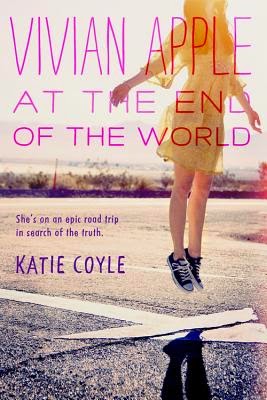
Vivian Apple at the End of the World

by Katie Coyle
First sentence: “There came a time when the American people began to forget God.”
Support your local independent bookstore: buy it there!
Release date: January 6, 2015
Review copy snagged from the ARC shelves at my place of employment.
Content: There is teenage drinking and a lot of swearing, including multiple f-bombs. There is also frequent off-screen violence. It’ll be in the Teen Section (grades 9+) of the bookstore.

In this sort-of future, American has been taken over by the conservative, pseudo-Christian  Church of America. Except “taken over” is too strong. It’s not like America has become a theocracy. No, it’s just that the Church of America founder, Beaton Frick, has predicted the end of the world. The rapture will come on a night in March, and all the faithful will be taken up.

Even though a good majority of Americans follow the Book of Frick, as it came to be called, Vivian Apple doesn’t. Her parents do, though. They’re faithful believers. And so, when the “rapture” comes, they disappear, leaving Vivian behind.

I’m going to stop right here for a minute. I’ve read a bazillion dystopian/post-apocalyptic novels and this is the first time I’ve come across the rapture as the cause. (At least in mainstream fiction. Is this a theme in Christian fiction?) In fact, this is what compelled me to pick the book up. I’m often curious about the way religion is portrayed in mainstream fiction, and I thought this could be an interesting take on it. And it was, even if it wasn’t necessarily a kind one. Religion and believers come off badly in this book, as people who believe anything they hear without question and are willing to commit acts of violence for the sake of their belief. More than once, I cringed at the “religion” and marveled at what I saw as pot-shots against the religious right.

But I digress.

Vivian determines that it’s all a hoax and she sets out from her hometown in Pittsburg to the Church headquarters outside of San Francisco with her friend, Harp. She just wants to know answers. They pick up a boy along the way, Peter, who seems to be on their side. Little do they know what’s waiting for them.

There is some good in this book: I really liked the tentative romance that budded between Vivian and Peter. I liked that Harp was Indian. I liked the way Vivian grew and became more willing to make decision and to Act in her own life throughout the course of the book. And I can even forgive that the book didn’t end, but rather left me hanging with more questions than answers.

But this one will be a tough sell around here.

Graphic Novel Round-Up, November 2014

I spent a Saturday recently just reading graphic novels to help me out of the slump. I think it might have worked; I feel much more interested in reading a full-length book now. Also, both A and K picked some of these up and found themselves completely engrossed. So, it’s a good batch.

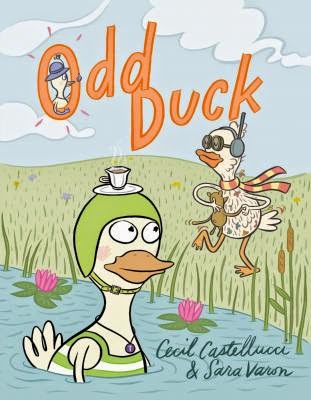
Odd Duck
by Ceci Castellucci and Sara Varon
Support your local independent bookstore: buy it there!
Content: There’s nothing. And the words/ideas are pretty simple. It’s good for reluctant readers as wel as those who just want a good, short story. It’d be in the middle grade graphic novel section of the bookstore.

Theodora is an ordinary duck. She does her ordinary duck exercises in the morning, goes for her ordinary duck walk (because she doesn’t like to fly), and reads ordinary duck books in the afternoon. She lives a nice, quiet life and is very happy.

That is, until Chad moves in next door. Chad is not an ordinary bird. He does not do his exercises in an ordinary way (if at all), He dyes his feathers weird colors. He does art (gasp)! Theodora is not happy. But then, come winter, she and Chad bond (because they don’t fly south). They discover that they have things in common, and that they really enjoy each other’s company. And that maybe being different isn’t so bad.

It’s a charming little graphic novel, full of adorable art and sweet little lessons, but it’s never heavy-handed or didactic. Perfect for younger and reluctant readers.

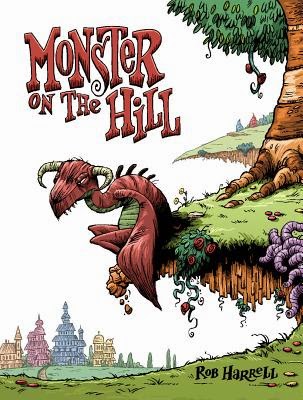
Monster on the Hill
by Rob Harrell
Support your local independent bookstore: buy it there!
Content: Linguistically, it’s more challenging. But it’s probably on par with the Amulet books, which means it’s probably good for 3rd grade and up. Content-wise, there’s some monster violence, but that’s it. It’d be in the middle grade graphic noel section of the bookstore.

In this version of 1860s England, there are monsters that terrorize every town. But never fear: that’s what the townspeople want. (Seriously.) But, in Stoker-on-Avon, they have a problem: their monster, Raymond, doesn’t do anything but moan and complain. It’s bringing the town down. So, the town leaders send the eccentric Dr. Charles Wilkie (and a street urchin, Timothy, hitches along for the ride) to convince Raymond to buck up and do his job.

This leads to a road trip, a lot of bonding, some lessons learned, and a giant battle against an unstoppable foe before everything is set to rights again.

This one had me eating out of the palm of its hand. I loved Raymond — he was delightfully pathetic — and his schoolmate, Noodles (aka Tentaculor) and their relationship. There was so much that had me just laughing out loud. True, there could have been a female character (just one? Please?)  or perhaps some diversity (though it was England in 1860-something), but for the most part, I found this simply charming.

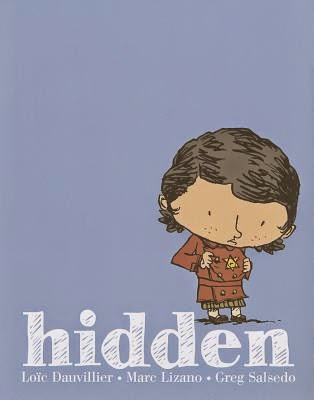
Hidden
by Loïc Dauvillier, Marc Lizano, and Greg Salsedo
Support your local independent bookstore: buy it there!
Content: It’s about the Holocaust, so there will definitely be things to discuss. It glosses over the worst of the horrors; there’s a passing image of a concentration camp survivor, as well as illusions to other horrors. Even so, it’s very kid-appropriate. It’s in the middle grade graphic novel section of the bookstore.

This one is your standard Holocaust fare. Mostly. Framed as a story a grandmother is telling her granddaughter about the time when she was a child, Dauvillier focuses mostly on the Resistance and the people in France who helped those who were Jews get away.

It’s a very tender story of a young girl, Dounia (the grandma) whose parents were taken to the concentration camps in 1942, near the end of the war. Even though Dounia hides during the inital raid, the neighbors (some of whom are part of the reistance), know they’ll be back, looking for her. So, they arrange for her to live with a woman in the country. In the act of escaping, the neighbor’s husband is caught, though he’s only arrested and released. He manages to find his way back to his wife and Dounia. Her main concern, though, is finding her parents again and so they keep looking, especially once France is liberated. Eventually, they do find her mother, and the story ends.

I liked this one well enough, but (possibly because it’s tamed down a bit) it lacks the emotional punch that other Holocaust books have. Still, it’s a good introduction to the topic.

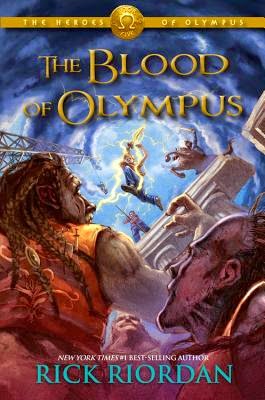
The Blood of Olympus

by Rick Riordan
First sentence: “Jason hated being old.”
Support your local independent bookstore: buy it there!
Others in the series:  The Lost HeroThe Son of NeptuneMark of Athena, The House of Hades
Content: There’s some mild kissing and lots of fantasy violence. It’s in the YA section (grades 6-8) of the bookstore, but it’s more than appropriate for Percy Jackson fans of all ages.

The doors of Hades have been sealed, but Gaea is awakening anyway. Our heroes have split up: seven on the Argo II trying to go get to Athens to stop Gaea, the other two (plus Coach Hedge) are shadow-traveling the Athena Parthenon to Camp Half-Blood as a goodwill gesture from the Roman camp to the Greek camp. Both sets are facing Great Odds: monsters and minor gods that have switched sides as well as Octavian and the Roman camp’s impending invasion of Camp Half-Blood. Will they be able to stop everyone in time?

It’s a good ending. Not a great ending, not a fantastic book, but a good, solid one. It was a nice send-off to characters I’ve come to know and love for 10 years. And I was more than happy to take this ride with them. I was glad that the unsung characters — Piper, Reyna, and especially Nico — got a chance to shine. I enjoyed the whole book well enough, but I REALLY enjoyed the Reyna/Nico chapters. I just felt like that was where the more interesting story was, with saving Camp Half-Blood and fighting Orion and Octavian, and they were just awesome. Period. Everything else paled in comparison.

I do have some theories about the end (which ticked off A, by the way) but I’m not going to go into my theories here. I have some complaints about the sort of writer Riordan’s become; he’s become much too much of a formula writer for my taste. But I understand the demands of publisher’s and fans and the constraints of storytelling and I’m still more than happy to give everything he writes a read.

I will be sad to see this series end; it’s been a good ride.

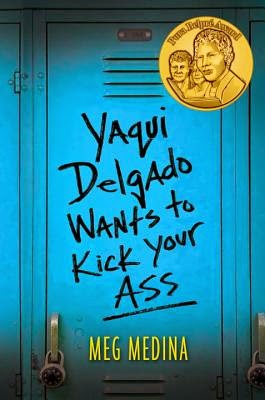
Yaqui Delgado Wants to Kick Your Ass

by Meg Medina
First sentence: “Yaqui Delgado wants to kick your ass.”
Support your local independent bookstore: buy it there!
Content: There’s some mild swearing. The real reason it ended up in the Teen (grads 9+) section is for the bullying and the violence. It’s pretty graphic and the fallout is pretty severe.

Piddy Sanchez is starting a new school. It’s one of those inner city schools in a Hispanic neighborhood in Queens, the kind that justifies every bad stereotype there is. Just a few weeks in, and someone informs Piddy that Yaqui Delgado — whom Piddy has neither seen nor spoken with — is going to kick her ass. Why? Because she thinks Piddy is flirting with her boyfriend. (She’s not.)

It’s this threat, among other things, that begins defining Piddy’s life. She doesn’t feel like she can talk to her mother, who is working extra shifts to try and provide for the both of them. She does turn to her aunt Lila, but even then she keeps the awful details to herself.

It’s a harsh journey, one that I wouldn’t wish on any kid. I did like that there was a range of diverse people in this one; not all white characters were “good” and not all Latin@ ones were “bad”. There was a wide range of personalities, and the color of the skin just happens to be incidental. I also enjoyed how Piddy embraced her culture and loved her neighborhood.

I was glad for the solution to this one, as well. No one really “learned their lesson” and the bully wasn’t reformed and they didn’t become friends and live happily ever after. No, it was much more realistic and messy and showed that sometimes the best option isn’t always the most noble one.

It was a tough read, emotionally raw especially for me (because of the whole daughter thing), but I’m glad I did.

Two Transgender Books

I thought about reviewing them separately, but then I realized that the authors of the two books actually dated at one point, and I think Simon & Schuster kind of meant for them to be a pair. So, here they are, together.

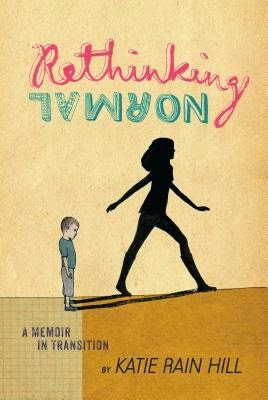
Rethinking Normal
by Katie Rain Hill (with Ariel Schrag)
First sentence: “I really, really hate flies.”
Support your local independent bookstore: buy it there!
Content: There are a few f-bombs, and some frank talk about genetalia. Also, some frank talk about having sex, though it’s not graphic. That, and the subject matter (which isn’t necessarily not for younger kids, but maybe parents want to have a chat with the younger set while they read this), put this in the Teen section (grades 9+) of the bookstore.

Katie is a trans girl. Which means — if I get this correctly — she was assigned the male gender at birth, named Luke by her parents, and as she grew up, she felt increasingly at odds with her physical body. She didn’t feel “male”; she was attracted to males, but wanted them to see her as a woman. This is the story of her journey.

It’s not an easy one for her. For her first few years, she was okay, but as she grew older, she became depressed. She didn’t know what was wrong with her, or why she didn’t feel comfortable in her body. Why she wasn’t compelled to do traditional “guy” things. She went to therapists, but they didn’t help. Most just threw medication at her. It wasn’t until she was 13 that she discovered a transgender website that opened the doors to what she was experiencing. She found a support group, a doctor who was willing to take her seriously (turns out that she was intersexual; she had high levels of estrogen in her body and undeveloped ovaries as well as a penis), and she was on the path to becoming who she truly felt she was.

I was hoping, I think, for this to shed some light on transgender(ism? Can I say that?) for me. It didn’t; but then I think my expectations were too high. One person’s story is going to shed light on just that: one person’s story. And even though the writing style was overly casual (imagine Katie sitting down and just rambling her story at you), I was fascinating by her experiences. And ashamed; this was set down in Oklahoma, and unfortunately, the religious people Katie knew did not treat her well. That always makes me feel sad; I do hope that there would be more acceptance and charity and kindness in these sorts of stories.

I am glad Katie wrote this book, though. The first step to making the unknown more knowable is to learn someone’s story. And this book does just that.

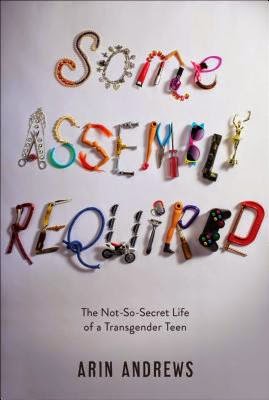
Some Assembly Required
by Arin Anderson (with Joshua Lyon)
First sentence: “Getting dumped at prom sucks.”
Support your local independent bookstore: buy it there!
Content: Same as above.

I didn’t have as positive an experience with this one. I’m not quite sure why, so this is mostly going to be me ruminating about why I bailed on this memoir, when I found the other one fascinating

First off, Arin is a trans boy, which means he was assigned the female gender (and had female body parts) when he was born. He struggled with this, but unlike Katie, his struggles seemed to come off as “I don’t like the clothes/pageants my mother is putting me in.” He was a tomboy as a child, even though he enjoyed the dance classes his mother insisted he take. He didn’t want anything to do with anything else about being a girl, and was repulsed when his body started to change.

I’m not asking for a justification or an explanation, but this seems weak to me. Especially in the light of the experiences Katie had. The way Arin presented himself (to me) came off as much more shallow. Or maybe it was because I’m a woman, and I had some of the same struggles with expectations and my body image. (I just turned feminist instead of trans, though…) I wanted to know what made his experience DIFFERENT from mine. How I could have a similar reaction to clothes/pageants/activities/my body changing and NOT be trans. Maybe I was expecting too much

Growing up in Oklahoma, Arin had a tough time. He came out as bi, and then trans, both of which were strongly rejected by the community, the religious school he was attending, and his mother.  (Of course, since religious people are closed-minded, duh.) In the end it was the the way these so-called Christians treated him that made me put down the book.

But, I also had to admit that my perception of Arin was skewed from the beginning; he shows up in Katie’s book, and while she isn’t cruel, he comes off as a whiny, clingy, needy boy. I couldn’t shake that image as I tried to read this one.

So, maybe the best thing is to pick one or the other, and immerse oneself in that individual story, recognizing that it’s just that: one individual story. Even so, it’s something that isn’t talked about much, and both of these books would be good for discussion.

7 Memorable Author Events

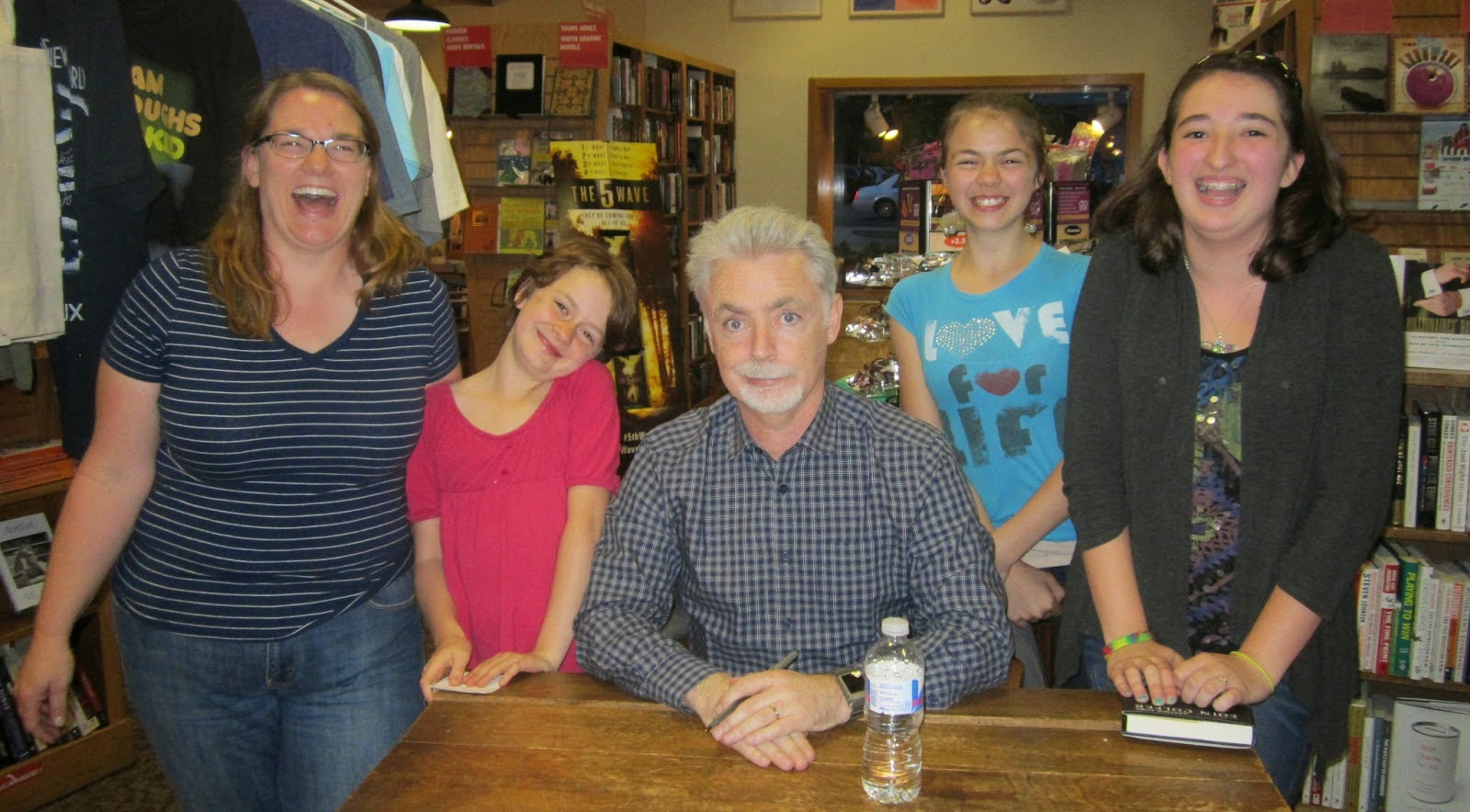
Stephen King was in Wichita Friday night. It was a huge deal (thankfully, I was tucked away in a back corner and didn’t have to deal with the angry people) for which thousands (literally) of people turned out. Was it a great event? For a lot of people, yes. For me? Not so much. We were talking on the way to the event about which authors we’d individually REALLY like to see, ones that we’d go to great lengths to see. Which got me thinking about some of the best author presentations I’ve seen in the past 5 years or so. (As a side note: I really didn’t go see authors before then. A lot of it was little kids, but some of it was I just wasn’t involved that way. That part of my reading experience has changed dramatically with a job at the bookstore.)

I’m defining “best” in an entirely personal way. For me, it’s something I can still remember, even years later,as a fun and rewarding experience.

Eoin Colfer: I’ve never been a big fan of his Artemis Fowl books, but he was coming to the store, and I was curious. I’m SO glad he went; he was hilarious. And entertaining. And completely knew how to work his crowd.

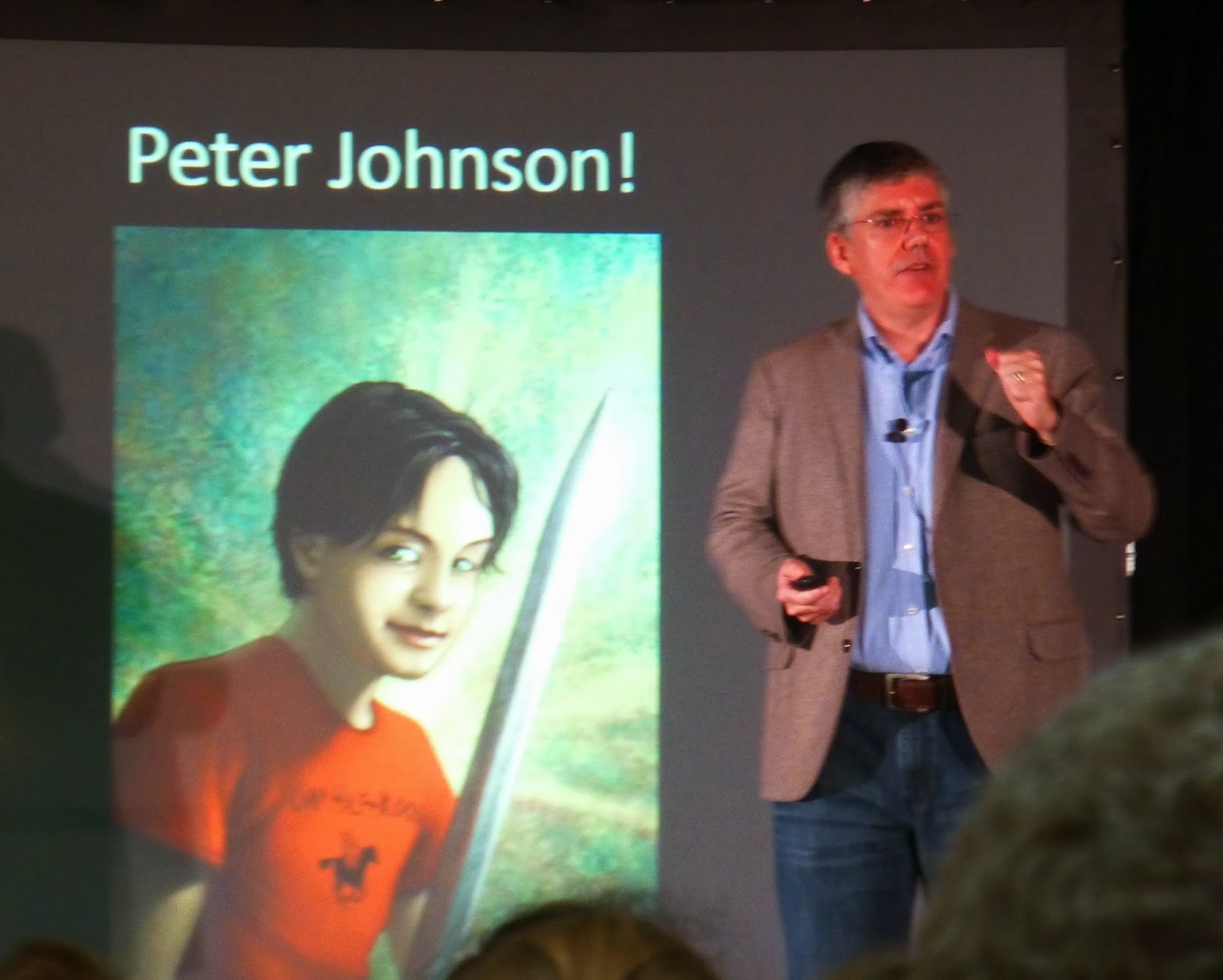
Rick Riordan: Before Stephen King, this was the biggest event I’d been to; it was impressive how many fans were in the room. I wish I had gone to see him before he got really huge because I would have liked to chat with him, or get a picture with him, but this was the way the cards fell. Even so, Riordan knows his crowd, knows how to give a great presentation, and had all of us eating out of the palm of his hand. So, it was okay.

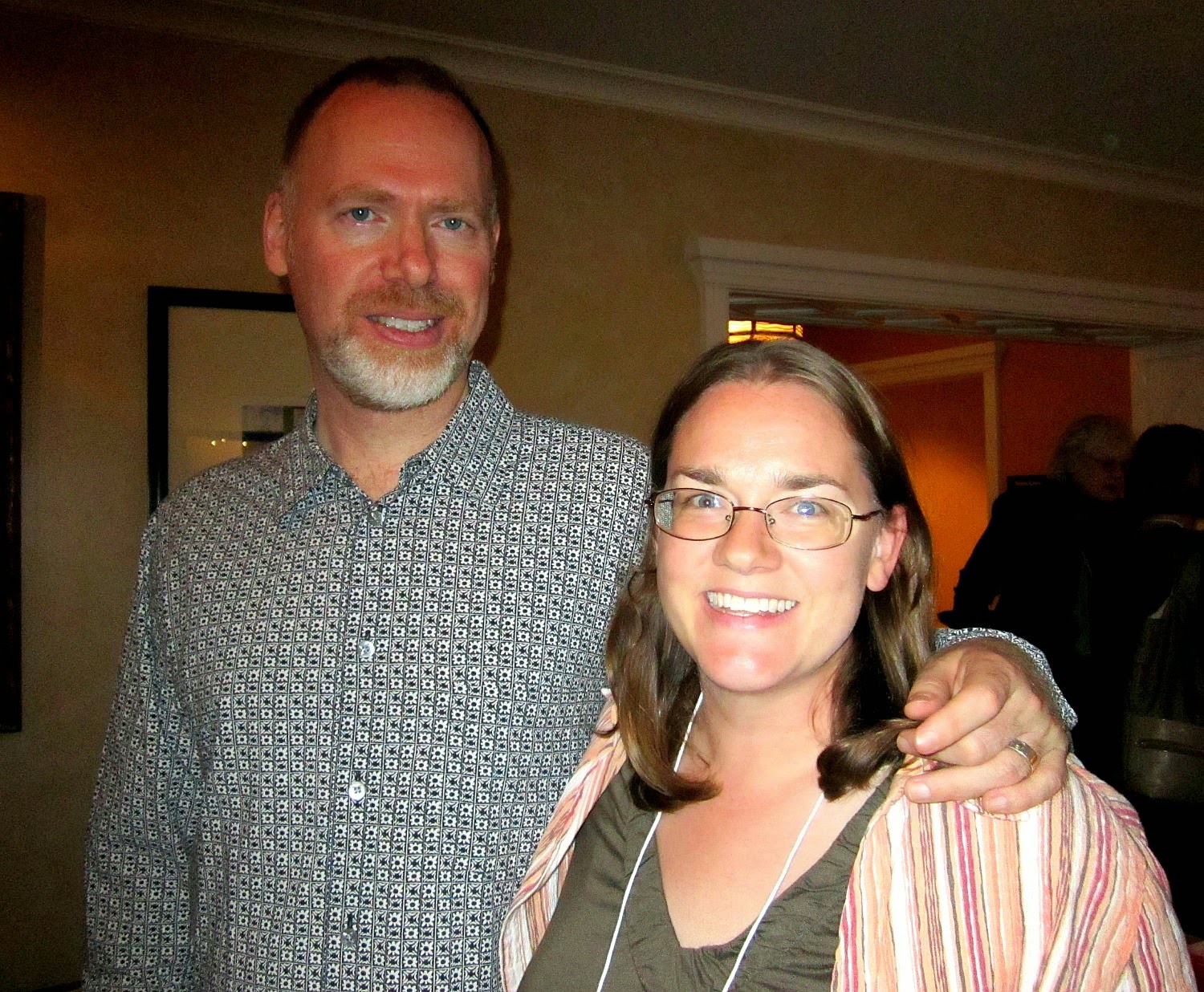
Gabrielle Zevin: I think this one sticks with me mostly because I had seen Kristopher Jansma the night before and he was awful. But, she was lovely. She was interesting, she was funny, she had good things to say, and she interacted with the audience in a way that made us feel welcome and a part of the experience. She was so wonderfully gracious afterward, as well.

And a few author meets through KidlitCon:

Scott Westerfeld (2011) was amazing. His presentation (which I saw twice that year, interestingly enough) was fantastic, he was delightful and kind to all of us (I remember standing in a circle chatting with him and a few other people and thinking to myself, “I’M TALKING WITH SCOTT WESTERFELD!! THIS CAN’T BE REAL!”). I would love to go to another event of his again.

Maggie Stiefvater (2010): Okay, so I didn’t actually take time to meet her, mostly because I was shy and intimidated. BUT, her talk was influential enough that I actually took the time to pick up her books. And became a fan. I’d love a chance to see her again, so I could chat with her and get a picture with her.

Maureen Johnson (2012): Her presentation at KidlitCon was…. weird. But I’m counting this because I made such a fool of myself in front of her at the Austin Teen BookFest in 2011 and I completely (almost) redeemed myself. A group of us stayed after to chat with her and Robin Wasserman and it was a LOT of fun. She’s very much like her online personality: weird, deadpan, and very very funny.  And yes, if I ever got a chance to see her again, I’d go.

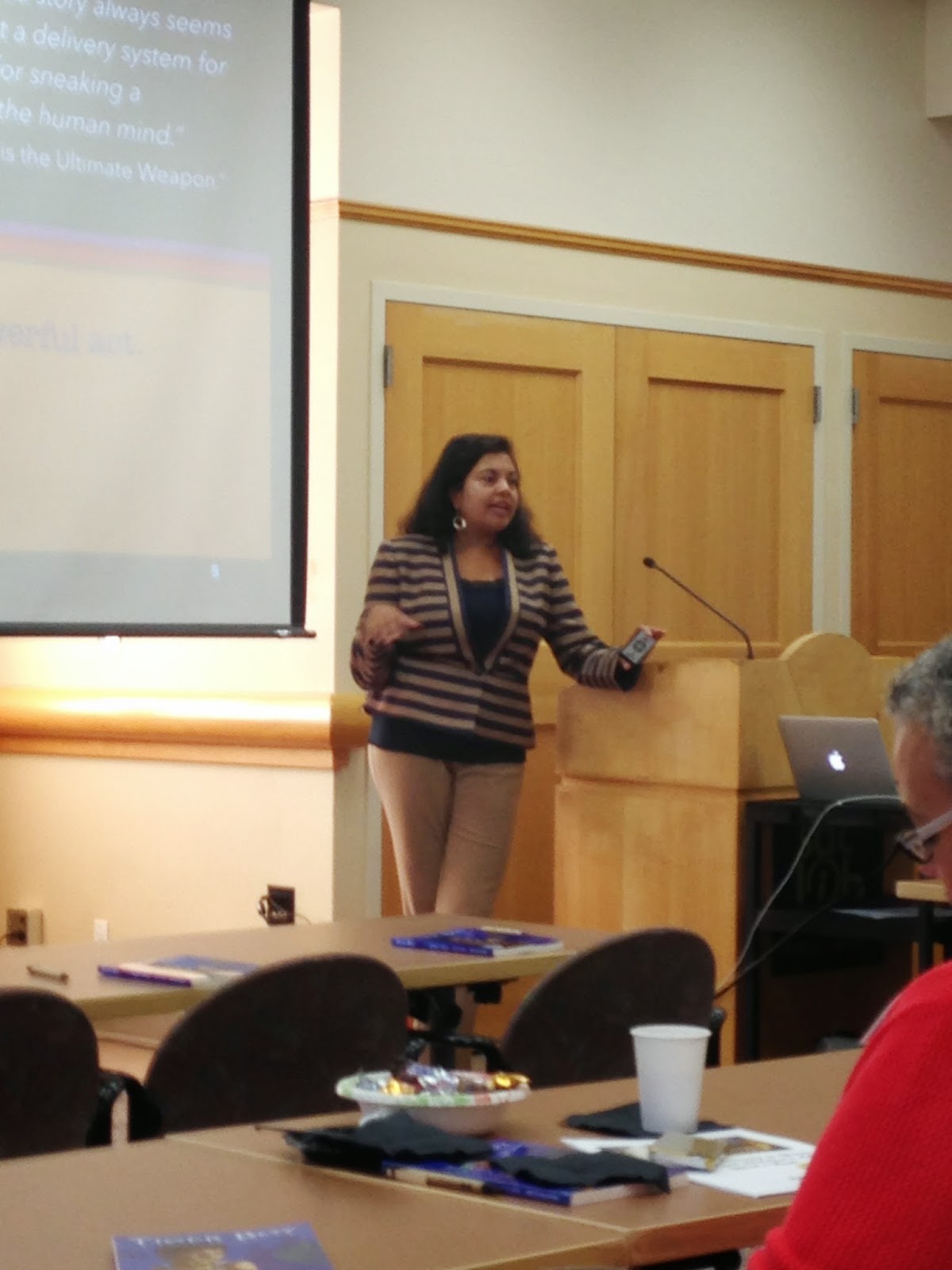
Mitali Perkins (2014): I didn’t get a picture with Mitali, either, though I did talk to her after her presentation. (I don’t know why I asked. Doh!) I think the main thing about these presentations is that I like people to be organized, and informative about themselves and their writing, and to draw the crowd in. Mitali did all of that and then some. She was gracious and funny and a delight to listen to.
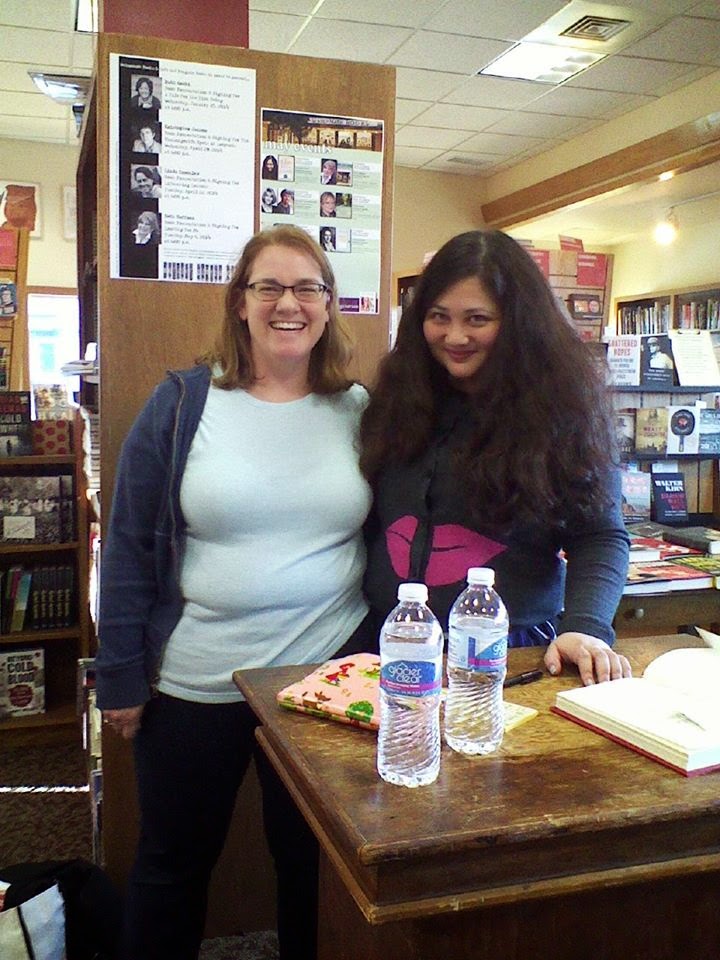
So who are some authors I’d still like to see? Shannon Hale, beyond her floating head, of course. John Green would be a trip and a half. Megan Whalen Turner. Holly Black. Sarah Beth Durst. Anne Ursu. Jonathan Stroud.

Who have you seen that you’ve loved and/or who would you like to see?

Egg & Spoon

by Gregory Maguire
First sentence: “The heels of military boots, striking marble floors, made a sound like thrown stones.”
Support your local independent bookstore: buy it there!
Review copy provided by the publisher.
Content: There’s nothing objectionable, but it’s a bit long and slow for all but the most advanced middle grade readers. It’s not a Teen book, either, so it’s ended up in the no-man’s land of YA books (grades 6-8) at the bookstore. I’m wondering how it would go as a read-aloud, though.

Elena Rudina is a peasant in pre-Revolution Russia. Her father died in a freak accident, and her mother never quite recovered from that. Her oldest brother is a servant in the baryn’s household and is away in Russia. So when her other brother gets conscripted into the Tsar’s army, Elena decides she needs to do something about that.

Ekaterina is the daughter of semi-noble parents who have dropped her in a London boarding school and gone off gallivanting around the world. The only person who cares about her is her Great-Aunt Sophie, and she’s determined that Ekaterina is going to show up at the Tsar’s party for his godson and be presented as a possible match, which is something Ekaterina does not want.

So, it was quite fortuitous when Elena and Ekaterina meet by accident — the train stops in Elena’s village when the bridge is out — and then (again by accident) switch places. Each get exposure to a different world and are led on the adventure of a lifetime.

I really wanted to like this one. And I did, sometimes. I loved Baba Yaga in all her snarkiness. (In fact, I bookmarked a bunch of her lines. Like: “You’re not going to drink the Kool-Aid?” and “Dumb Doma remodels itself. A nasty habit, like binge shopping.” and “No wonder they call these fairy tales. Tolstoi woudl know better, and a fast train comign into a station would be involved. Blood, tears, regrets. All the fun stuff.”) I sometimes liked the adventure that Elena and Ekaterina were having. (Madame Sophia ended up being a favorite of mine as well.) But, something seemed… off… about this one. Usually I don’t mind intrusive narrators, but this time, he (though I wonder why Maguire chose that particular narrator) was annoying enough that I just wanted him to go away. And that (along with Baba Yaga) got me wondering if this is really a kids’ book, or rather a book for adults who like kids’ books. I found myself hard-pressed to come up with a kid who would enjoy this.

It reminded me most of The Girl Who Circumnavigated Fairyland in tone and style (though it’s much, much longer), And K really liked having that one read aloud to her. So, maybe there is some hope for this one. I just wish I liked it better.