

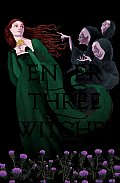
 It’s not a common problem of mine, but there have been instances in the past where I’ve enjoyed the afteword to the book much more than the book itself. This one, as much as I wanted to really like it, was along those lines. It was kind of just blah until I got to the afterword, which was full of information, humor, and held my interest in a way that the novel didn’t.
The idea behind this book was to explore how Helen of Sparta became to be Helen of Troy. We don’t get that far in this book (there is a sequel, Nobody’s Prize), though. Helen is the oldest daughter of the King of Sparta, thereby making her the heir. But she’s also a free spirit, only wanting to do what she would like with her life, hang the expectations that society (even a women’s lib-ish one like Sparta) puts on her. She finds a way to learn to fight. She talks her parents into letting her go with her brothers and twin sister when said sister is sent to Mykenae to get married. She tricks said Mykenaen king out of arranging a marriage for her. She accompanies her brothers along to hunt a wild boar at her mother’s childhood land of Calydon, where she befriends huntress Atalanta and learns to ride a horse. She tags along with her brothers when they go to Delphi and finds a way not only to befriend the oracle, but finds a way for her and her friend/freed slave Milo to go on the same adventure.
I liked Helen well enough; I liked her spunk and determination. I liked how she was willing to do anything to become more “educated” and how she wasn’t willing to let society’s expectations stop her. But that wasn’t enough for me. I wanted some grand conflict and resolution, something to thrill me and keep me gripped to the edge of my seat (granted, having just finished Dracula had something to do with this feeling) and all I got was a series of vingnettes where Helen learned something or did something. I never really became involved in the plot, partially because by the time it got interesting, Helen up and moved on, and we had to start all over again building relationships, creating conflict. I wanted some overarching story, something to tie it all together and to the story of Helen I know.
I do have some hope, though, that this could all be a grand set up and the pay off very well could be in the next novel. At the very least, though, the afterword is fascinating. As for the rest… I’m crossing my fingers that the sequel is better.


 The Book Nut