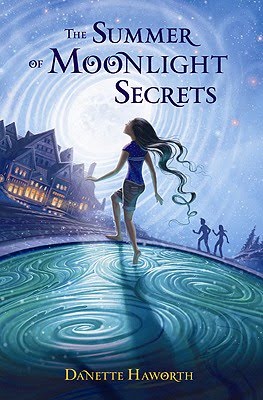
by Sarah Pennypacker
ages: 8+
First sentence: “I couldn’t wait for Margaret to get on the bus Monday afternoon.”
Support your local independent bookstore: buy it there!
Dear Clementine,
I will be very sad if you ever decide to grow up. You are what is most wonderful about kids: eager, curious, meaning well, and yet with a stubborn streak that makes me believe that you’ll go places when you get older. I love that you call your brother by vegetable names, in protest for your name (which is quite cheery, by the way; I hope you like it when you get older). I think your boundless creativity — Moisturizer for your cat’s name; Flomax for your friend’s iguana? Priceless! — and energy is amazing. I admire your parents for being as patient and indulging at they are. (They are pretty cool, too.)
As for your adventure this time, I feel your pain. To lose your best friend, due to a fight that you have no idea what it’s about, is a tough thing. And then to lose your cat, too? Ouch. But, you get through it, and I think you realize, at least a little bit, what a great girl — and good friend — you are.
Don’t ever change.
Best,
Melissa
P.S. And Ms. Pennypacker? Keep the books coming! My girls love having someone like Clementine to read about!
(Just for the record: because this is a Cybils nominee, I’ve been asked to make sure y’all know this is my opinion only, and not that of the panel.)