10 Books With Female Leads and No (or Little) Romance

I was talking to one of my coworkers a week or so back, and she said something to the effect of  “What I really wish is that there were more YA books out there where the female main character doesn’t have a romance.” Which got me thinking: how prevalent is this? How many books out there where you have a female main character, and she doesn’t have a love interest.

The answer? Not many. As I set about combing my lists for books like this, I found that most — especially in speculative fiction, interestingly enough — the female main character has a love interest. And not only that, often she NEEDS the love interest to feel complete.

I’m not saying here that I don’t like romance as part of my story; I do, when it’s done well (read: not love at first sight) and when it adds something to the story. For that reason, I’ve added a few books where there is a romantic element, but it’s not the central focus of the story.

So, with that (and in no particular order), 10 books with girls and no/little romance.

1. Beauty Queens, by Libba Bray: It’s been a while since I’ve read this one, but from what I remember, the point of this wasn’t falling in love. The point is to mock contemporary culture.

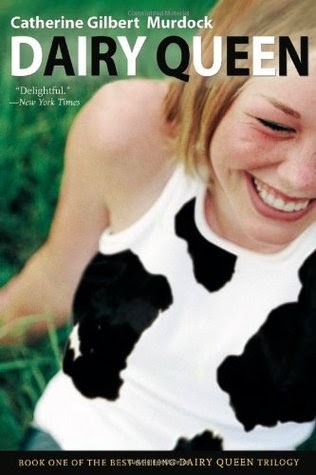
2. Dairy Queen, by Catherine Gilbert Murdock: I think there might be a romance between D.J. and Brian, but I’m not sure it really is in this one. (Another long time since I’ve read it.) What I do remember is D. J. being a strong personality, and the way she gender-bends by playing football is worth some bonus points.

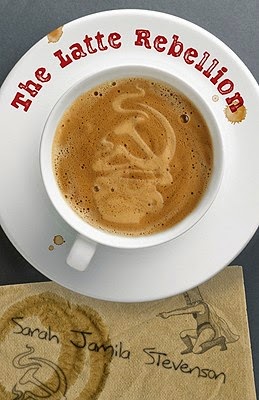
3. The Latte Rebellion, by Sarah Jamila Stevenson: A book about a mixed-race girl trying to raise race awareness. Not a shred of romance here at all.

4. The Wee Free Men, by Terry Pratchet: You’d think, from the cover, that the Nac MacFeegle are the main characters of this one, but Tiffany Aching is. And, possibly because she’s only nine, there’s no romance. So, maybe it doesn’t count. But, if I remember right: she manages the entire series, holding her own, standing up for what she does and believes in.

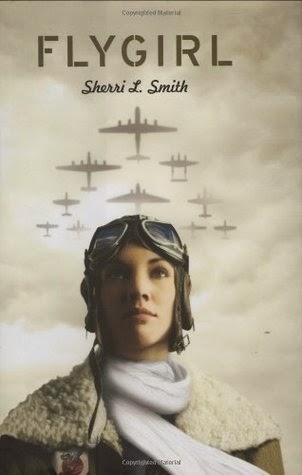
5. Flygirl, by Sherri L Smith: A historical novel about one of the women service pilots in World War II. An African American woman, at that. No romance.

6. Bitterblue, by Kristin Cashore: I’m cheating giving you a third in a series, especially since the other two are so fantastic. But, out of the three, this is the one without the romance. Bitterblue is too broken (thanks to her father, who is evil incarnate) to truly have a romance, so even though there is a guy, it’s not the central focus of the novel.

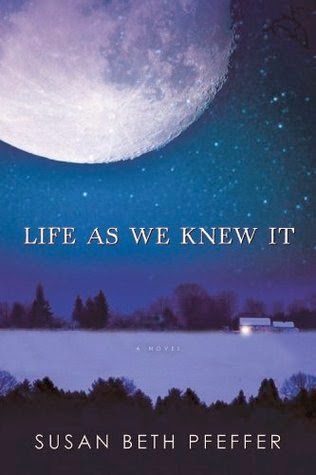
7. Life As We Knew It, by Susan Beth Pfeffer: It’s the end of the world, and Pfeffer doesn’t have our main character falling into the arms of a boy. Instead, she hunkers down with her family and works to survive.

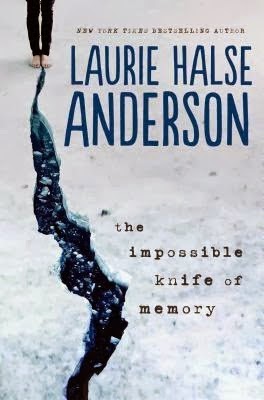
8. The Impossible Knife of Memory, by Laurie Halse Anderson (Also: Wintergirls and Speak): Anderson writes girls who deal with their own problems, whether they be date rape, anorexia, or PTSD. They don’t need a guy — even if Finn does show up in Haley’s life, and there is a romance — to help the find answers. So, I’m including this one, even with the Finn story, because Anderson knows how to write complex female characters.

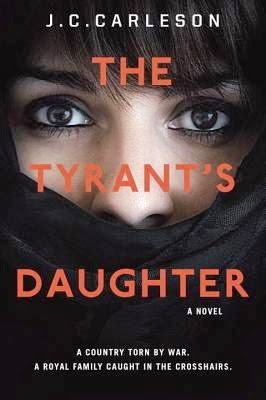
9. The Tyrant’s Daughter, by J. C. Carleson: Laila has a boy interested in her, and she even kisses him but for the most part, she’s more interested in figuring out her mother’s manipulations and her country’s problems and trying to understand American culture than in being in love.

10. Cold Fury, by T. M Goeglein. Yeah, there’s a boyfriend, and a wee bit of a romance. But the main focus of this series is Sara Jane and her mafia connections, as well as finding out what happened to (and saving) her family. She’s tough, and she doesn’t need a guy.

Are there any others? What did I forget?

20 Middle Grade/YA/Teen Books Adults Should Be Reading

A couple of Sundays ago Watermark had our annual Book Club Sunday (held on Super Bowl Sunday, because, you know, we’re all really into football). One of my managers asked me to come up with a list of kids’ books the adult book clubs should be reading. I never did get a chance to give the presentation at the event (things went long and/or they forgot they’d asked me), but I thought this would make a great blog post. I know I’m mostly preaching to the crowd here (we all love kids’ books, right?), but feel free to pass this on to your bookish adult friends who are gun-shy about reading something “just” for kids.

I decided that the three books adults always ask for, at our store at least, are 1) The Fault in Our Stars, 2) The Book Thief, and 3) The Hunger Games and I used those as my starting point.  Originally, I had picked not only books I’ve read and loved, but ones that are coming out soon. I’ve reconfigured it to only the ones I’ve read, just because I can.

Middle Grade books you should be reading: 

Counting By 7s, by Holly Goldberg Sloan. What an adult will get out of it: hope, some brilliant writing, and some intriguing characters. “On top of being absolutely refreshing with her subject matter, she never talks down to her reader. Sure, her sentences are simple — it is a middle grade book after all — but they are never simplistic. She respects her characters and her readers, and knows how to pick the best words to make the book flow, even when it’s being simple.”

 Doll Bones, by Holly Black. What an adult will get out of it: I think, actually, adults will get more out of this than kids. It’s a good, creepy story, but it’s more a growing-up story, of that transition between childhood and young adulthood. “The awkwardness, the feeling of being left behind by close friends, the desire to hang on to the things of childhood, the insecurity of facing the future: they’re all there. Dressed up in a Quest, an adventure, a ghost story. “
Three Times Lucky, by Sheila Turnage. What adults will get out of it: a rollicking story, a pretty-good mystery, and a handful of wonderful characters to fall in love with. “But the real reason to fall in love with this book — as I did — is because Turnage has created a wonderful couple of characters in Mo and Dale. In fact, all the characters, from Miss Lana and the Colonel, down to Mayor Little and aspiring lawyer Skeeter pop off the page, and it’s entirely because of the way Turnage writes.” Bonus: the sequel, Ghosts of Tupelo Landing, just came out. I can’t wait to read it.

If You Liked TFiOS (and you’ve read all of John Green’s other books)…

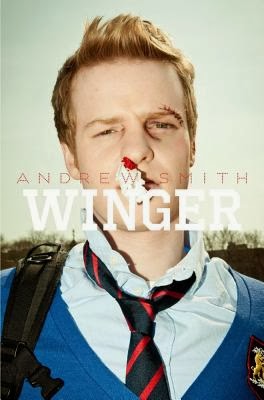
… for the contemporary element, try Winger, by Andrew Smith. Boarding school, boys, rugby, edgy and thoughtful at the same time. I had issues with the ending, but that was just me. “I found myself compelled by this. I was invested in Ryan Dean’s drama. I loved the camaraderie of the rugby team. I enjoyed Ryan Dean, dork that he was.”

… for the precocious kids who are actually smarter than you think they should be, try The Disreputable History of Frankie Landau-Banks, by E. Lockhart. Another boarding school, but this time with a brilliantly smart girl at the center of it all, defying the norms, and breaking traditions. “So, here’s to the Frankie’s of the world: the girls who think outside of the box. Who invent neglected positives, and need people to understand (not just talk at) them. And here’s to the books that celebrate them.”
Bonus: E. Lockhart’s new book, We Are Liars, is due out in May. I’ve heard nothing but good stuff about it.
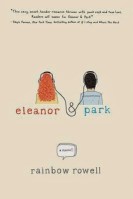
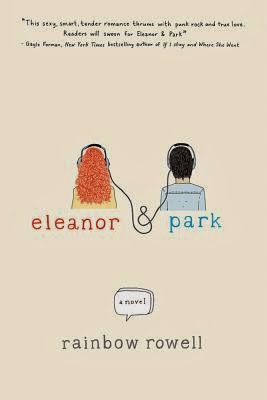
…. for the romance, try Eleanor & Park, by Rainbow Rowell. It’s historical, set in 1985, but it captures first love wonderfully. And both Eleanor and Park are delightful characters. “The most beautiful thing about this book, I think, is the slow development of Eleanor & Park’s relationship. It’s not instalove, it’s not all sparks and romance. It’s a friendship that develops into something more. And it’s complicated.” Bonus: I’ve heard most everyone say that Fangirl is better, but I haven’t read it. Yet.

OR

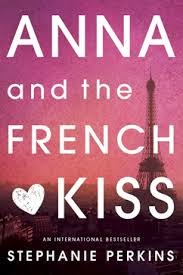
Anna and the French Kiss, by Stephanie Perkins. Because Paris. And Étienne St. Clair. And a smart, wonderful romance. “But I did enjoy the relationship between Anna and St. Clair, it’s heights and valleys, and it’s inevitable, swoon-worthy resolution. It’s not a simple book, and much like Maureen Johnson’s work, Perkins knows how to write a romance that deals with more even while putting the relationship front-and-center.”
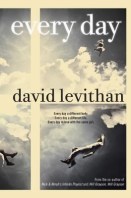
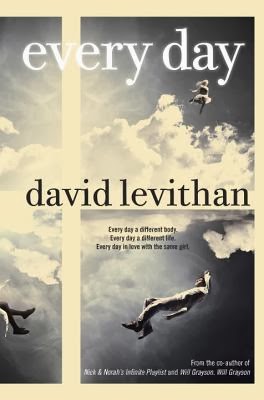
…. for the thought-provoking ideas behind it, try Every Day, by David Levithan. It’s a trippy premise, but once you get past that, you find  that Levithan is writing about the human experience, and all its ups and downs. “As I was reading, I thought that it reads much like a John Green book: philosophical and introspective, with always the possibility of being pretentious. (Though I appreciated much of the musings, like how 98% of the human experience is the same and it’s the 2% that we’re always fighting over.) “


If you liked The Book Thief…
There are two authors you need to know about.
Ruta Sepetys
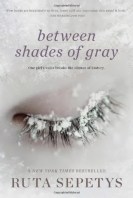
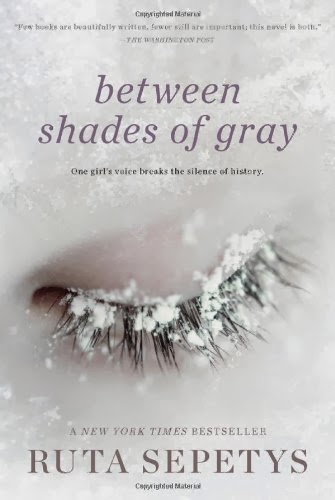
Between Shades of Gray. Stalin, concentration camps, solemn and gripping. “It’s a harrowing book, disturbing, and completely wrecked me. I could only read it in short chunks, interspersing it with something lighter, because that’s all I could handle. I couldn’t tell you about the writing, or the characters, or whether or not I liked it, because (like many Holocaust books), I couldn’t get past the fact that this was based on true events.”

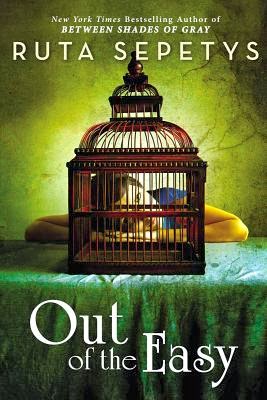
Out of the Easy. New Orleans, 1950s. Gritty, intense, and compelling characters. “And Josie is such a great character to root for; I wanted her to get out, to succeed. I felt her heartbreak, her anger, her hope. Which is really the mark of a great writer. Sepetys knows how to engage the reader, to write in a way that makes these characters fully dimensional. And even though her subjects are not pretty, her writing is gorgeous.”

and Elizabeth Wein:

Code Name Verity. World War II, Nazis, British spy, woman pilots, and a friendship story that will rip your heart out. “Things this book is not:
Trite.
Another Holocaust book.
Boring.”

Rose Under Fire. Yet another World War II Holocaust story. But not like you’ve ever seen before. Strong women take the center stage and they will weave themselves into your life. “And yet, even though Wein captures the horrors, and the crimes, and the terribleness (I can’t seem to find a word strong enough) of Ravensbrück, it isn’t a hopeless, dark book.”

And one more (because it doesn’t fit anywhere else):

The Strange and Beautiful Sorrows of Ava Lavender, by Leslye Walton. It’s magical realism, which isn’t necessarily my thing. But this one feels more like an adult book than anything I’ve read in a long time. “There’s foolish love, unrequited love, passion, and most of all a magic running through it all. It’s the magic of Like Water for Chocolate: Things happen because of the passion.”

If you Liked Hunger Games….
I figure everyone knows about Divergent now, with the movie coming out. And even though I know they’rea a dime a dozen theses days, I thought I’d pick a few older/less-well known post-apocalyptic/dystopian books that have stood out in my mind.

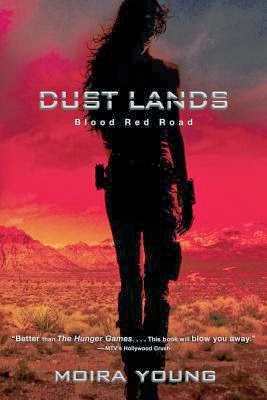
Blood Red Road, by Moira Young.  Set in the distant future, where the world has gone to pot. It’s a slow starting book, but once it picks up, it’s gripping. “She’s given us a strong reluctant heroine, someone who leads without knowing it, inspiring greatness in both herself and those around her.” It’s the start of a series, and I have to admit that I’ve never gone back and read the others. But this one stands well enough on its own, and is worth the time.

Uglies, by Scott Westerfeld. This is the one I’ve had the most success with, at least with kids. They read the Hunger Games, and come looking for something else, and I throw this one at them. And, they usually love it. It’s because it’s smart, fun, and observant. “In addition to romance and adventure and typical end-of-the-world stuff (I loved all the descriptions of the Rusties), Westerfeld has some interesting observations about beauty and society.” First in a series, but honestly, this one’s the best.

5th Wave, by Rick Yancey. ALIEN INVASION. Do I really need to say more? “” There are no magical or supernatural powers, no high-tech blow-em-up sequences, no kidnapping. Just good-old-human grit. And there’s a LOT of that.” It’s also a first in a series, I think, but it stands remarkably well on its own.

Fantasy series worth dipping into:

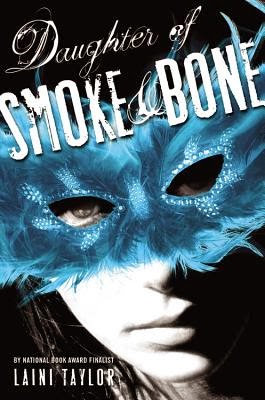
Daughter of Smoke & Bone, by Laini Taylor. “I adore Taylor’s storytelling. It’s dark and sinister and yet so very lovely all at the same time. It’s a twisting, meandering sort of story, and yet nothing superfluous or out of place.” Bonus: if you start this one now, you won’t have to wait for the third, Dreams of Gods and Monsters, which is out in April.

The Raven Boys, by Maggie Stiefvater. “There’s just something eloquent in this book: it’s not that its prose is beautiful; I can’t thing of a single passage that stood out. But rather, Stiefvater is eloquent in her simplicity. There’s nothing outstanding about any of the characters individually, and yet as a whole they become remarkable.” There’s only two out in the series — out of a projected four — but honestly, it’s worth picking up and devouring, if only for the way Stiefvater writes.

Graceling, by Kristin Cashore. “I loved the action — Cashore has a way with words that vividly portrays action, and I was on the edge of my seat most of the time. Which brings me to point number two: I loved the tension, the twists and turns.”
Thankfully, this series is complete, so you can read one right after the other. I envy you that experience.

Demon’s Lexicon, by Sarah Rees Brennan. “The only real drawback is that one of the main characters, Nick, is so very unlikable. It’s a turn off at the beginning of the book; you just want to smack the kid upside the head. But, give it time: he will grow on you, he does have a few redeeming qualities. And then there’s Alan, who’s an enigma: he keeps secrets from Nick, he’s up to something, but you never quite know what. They’re an interesting and appealing pair, these brothers.” Again, another complete series. Especially good, now that I think about it, for fans of Supernatural. More people should know about this one.

Okay, that was 20. What did I miss? What else should be on this list?

10 (Really Good) Books That Didn’t Make Our Cybils Shortlist

I know this is a bit late. And things have moved on to awards season (yes, I am avidly reading Heavy Medal and I squeed — and put a bunch of books on hold! — when Battle of the Books announced their line-up). But when I sat down to do this month’s list, I realized that here was an opportunity to highlight some of my favorites (ones that were really good, even if they weren’t perfect) that we didn’t all agree on. (They are roughly in the order of excellence. In my opinion, anyway.)

1. The Vengekeep Prophecies, by Brian Farrey: “There’s so much to love in this book. Jax is a terrific character: a bookish kid (I love that he’s wearing glasses. I know it’s a little thing, but I do love it.), an unwilling hero, and yet he finds a way to outsmart the more Savvy characters and Save the Day.”

2. The Real Boy, by Anne Ursu: “This was a lovely, lyrical book; Ursu is a magnificent, quiet writer. She knows how to evoke a feeling and a place — the forest is dark and magical and calming.”

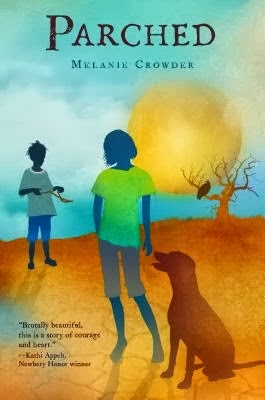
3. Parched, by Melanie Crowder: “That said, the writing was gorgeous. And I have to give Crowder props for setting a dystopia book in an African-feeling setting.” I think out of all the ones I read, this one I had the worst initial reaction to, but I can’t stop thinking about.

4. How to Catch a Bogle, by Catherine Jinks: “[T]he combination of a clever take on the paranormal and the plucky character of Birdie was enough of a combination for me to fall head over heels for this one.”

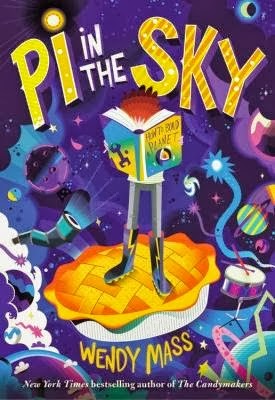
5. Pi in the Sky, by Wendy Mass: “I really enjoyed Joss’s learning of evolutionary science. And physics and chemistry as well. And I thought Mass was clever to frame it as a fantastical adventure. It made the science less… boring.”

6. The Year of Shadows, by Claire Legrand: “Olivia was dark and grumpy and prickly and perfect for a ghost story. Additionally, I loved the musical setting for this — the concert hall, the strains of orchestral music (it needs a soundtrack!) running through the story; in the endnote, Legrand talks about choosing pieces to fit the mood of Olivia’s life, and being familiar with many of the pieces, I think she did fabulously.”

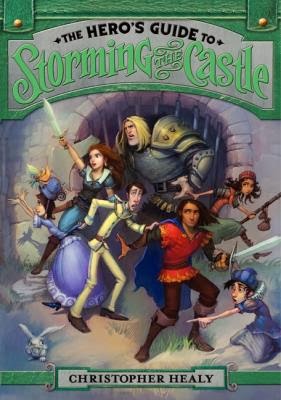
7. The Hero’s Guide to Storming the Castle, by Christopher Healy: “How will the League of Princes handle this? Well, much like they do in the first book: with of silliness, laughs, luck, and heart. Yeah, sure, this is more of the same as the first book, but why mess with a good thing?”

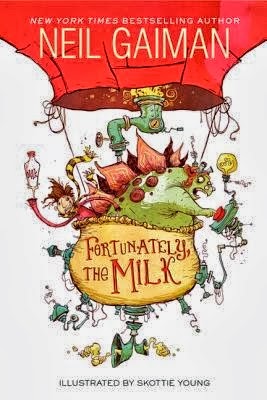
8. Fortunately, the Milk, by Neil Gaiman: “I enjoy Gaiman’s stuff normally, but I really do think I prefer his whimsical works for younger kids.”

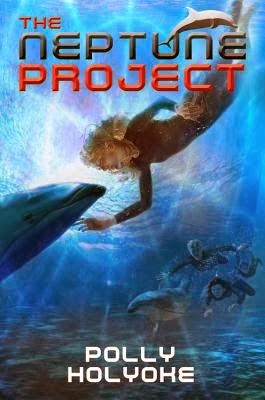
9. Neptune Project, by Polly Holyoke: ” I’ve read books about exploring the ocean as an option for when global warming takes over and turns this planet into one gigantic mass of water, and I’ve read books that deal with genetic mutation of people (and I think I’ve read one that combines the two in some search for Atlantis, now that I think about it), but this one struck me as unique.”

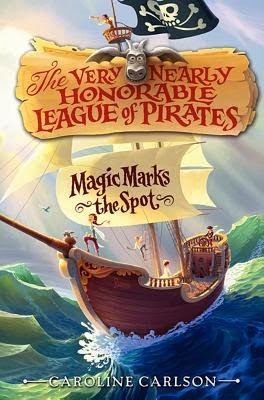
10. Magic Marks the Spot, by Caroline Carlson: “There’s more to this book — magic and treasure and an Enchantress and a Wicked Parent — but really, what I loved most about this book was that Hilary set out to be a pirate and succeeded ON HER OWN TERMS.”

There you have it. For other favorites that didn’t make the shortlist check out the post at the Cybils website.

2013 Advent Tour: 10 Terrific Christmas Books

I was thinking, when I saw this button for this year’s Virtual Advent Tour, that I’d been a part of this since the very, very beginning. So, I went back and looked, and discovered that, yes, I have been. One of the benefits of being an Old Fogey in Blog Years.

One of the downsides is that it’s difficult coming up with new ideas every year…

But, going through past posts, I’ve talked about stories, yes, and I’ve talked about books, but I think what was needed is a list of all my favorite Christmas stories. (I am also doing this in the hope that I can get some good suggestions for next year’s book.)

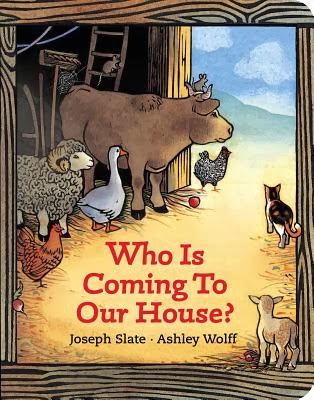
1. Who is Coming to Our House? by Joseph Slate and Ashley Wolff: I don’t have many Nativity books, mostly because the ones I find are either too didactic or too saccharine. But this one, available only in board book, is charming and sweet and perfect.

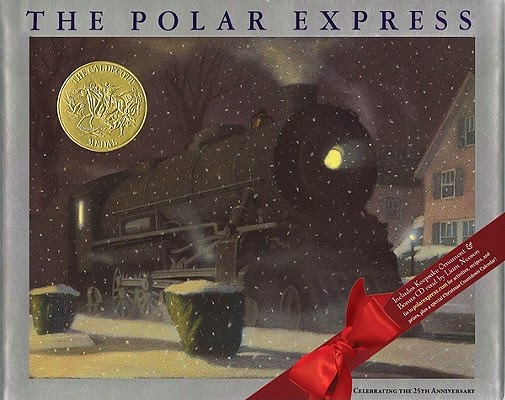
2. The Polar Express, by Chris Van Allsburg: Do I need to write about this one? I still cry at the end, no matter how many times I read it.

3. Yes, Virginia, There is a Santa Claus, by Frances Pharcellus Church: A lovely Victorian-inspired illustrated version of the original letter.

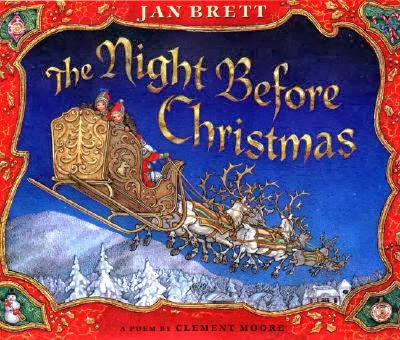
4. The Night Before Christmas, by Clement C. Moore, illustrated by Jan Brett. There are many versions of this one, but even after years and years, I love Jan Brett’s version of this. (Though Holly Hobbie‘s new one is quite lovely as well.) I’m not a big fan of Brett, overall, but her style suits this story.

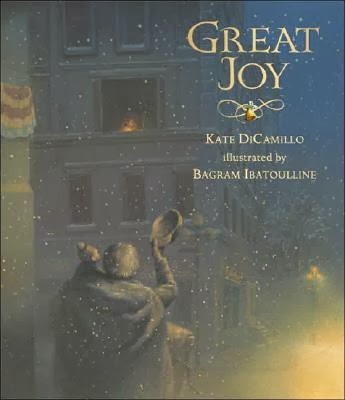
5. Great Joy, by Kate DiCamillo, illustrated by Bagram Ibatoulline: Simple story of a homeless man and a young girl in a church nativity play. It’s not often so few words pack so powerful a punch. Gorgeous illustrations as well (which is a must!).

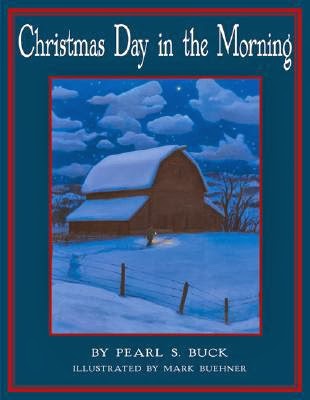
6. Christmas Day in the Morning, by Pearl S. Buck, illustrated by Mark Buehner: I don’t often read this one because it’s long, but it’s worth the read. And Buehner’s dark, lush art only adds to this touching story.

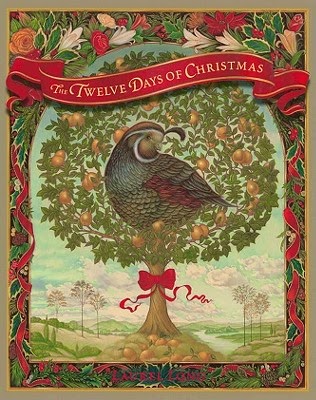
7. The Twelve Days of Christmas, illustrated by Laurel Long: it’s just the Christmas song, but in this case, the art is Everything. I am also fond of Emma’s Christmas by Irene Trivas for a retelling of this. Unfortunately, I think it’s out of print.

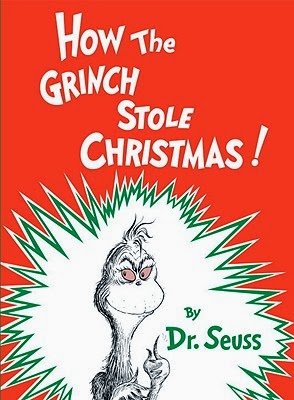
8. How the Grinch Stole Christmas, by Dr Seuss: I keep wondering if I’ll ever get tired of this because we read it constantly during the month of December every single year. I don’t think so, though.

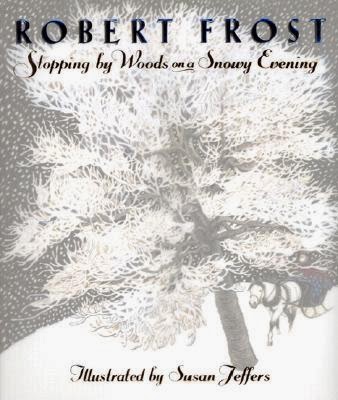
9. Stopping by Woods on a Snowy Evening, by Robert Frost, illustrated by Susan Jeffers. Not a Christmas book, but a winter one. And gorgeously quiet.

I had a couple that could go here, but I think, in the end, I’m going to put the one that I picked up this year. It’s not the best book, per se, (it’s cheesy and I think it’s one of those mass-produced ones that change depending on where you live) but it’s fun, and the kids like it.

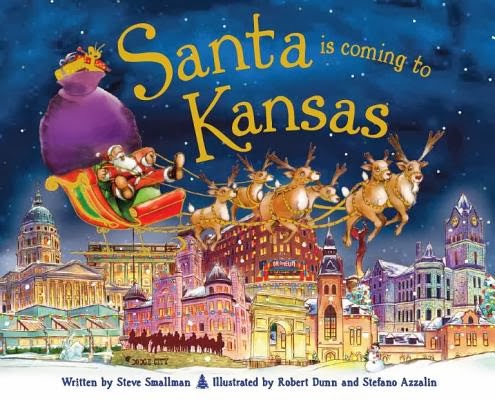
10. Santa is Coming to Kansas, by Steve Smallman, illustrated by Robert Dunn and Stefano Azzalin

There are mine. What are your favorite Christmas books?

Oh! And if you’re curious, here are my past posts:
2012: Advent Calendar
2011: American Girl Dolls
2010: Christmas Tree
2009: Christmas Top 10
2008: Merry Christmas Interview
2007: Story Night

Five Reasons Why Reading YA Books Makes Me a Better Parent

I’ve been thinking about this post for a long, long time, ever since Kelly @ Stacked‘s post at Huffington Post titled “What Are Grown-ups Afraid of in YA Books?”  (I saw it via Liz B.) I kind of put my thoughts on the back burner until this week, when I was doing a Banned Books Week display and I got to thinking about what I read and why I read it, and what my kids read.

I don’t think I’m one of the adults that Kelly talks about, those who read YA to take it away from the kids. I read the books for work, yes, because someone has to weed out the good and the not-so-good, and someone has to be able to recommend to a grandparent a book that their Ranger’s Apprentice-loving grandson will like. But I also read it for personal enjoyment; I have found for years, and continue to find, that some of the best writing and storytelling out there is in the books written for elementary, middle, and high-school-age kids.

But, most importantly, as my oldest has graduated and is leaving, I have realized I am a better parent because I read a lot of middle grade/YA fiction.

Here’s why:

1. What I read helps me develop empathy, in general.  One of the things that has struck me most about Shannon Hale’s crusade against sexism has been a comment she made in a conversation we had over the Mortal Instruments movie. She said: “I always expect more from those in the arts — those who read or dive into stories — to have the capacity for more empathy.” So, so true. I dislike it when people ask me if I read MG and YA books to weed out ones for my kids. NO. Actually, if there was only one reason I could give a parent to read MG and YA book it would be this: the more you read, the more you will empathize with what your children experience. The same goes for reading books about and by people of color, or nationalities, or disabilities, or GLBTQ. The more you read, the more you can experience the world from differing perspectives. And in this age of widening divisions, any reason for more unity — especially with my own children — is a good one.

Which leads to:

2. It gets me in the head of my teenagers and their friends. One of the keys to empathy is understanding, which is why I value this. Especially when it comes to boys, since I don’t have any. It’s not always a comfortable place for me (no parent of a daughter wants to realize how much boys think about sex, I think), but I feel better not only for knowing on an intellectual level, but for having experienced a boy’s story through his own eyes and to realize that really, deep down, all anyone wants is to be accepted and liked. And that we’re all just humans going through this human experience together.

It also means that:

3. It helps me helps me keep a channel of communication open. Because my only “rule” for reading is that they talk to me when there’s something they don’t understand or are uncomfortable with, I’ve been able to have many conversations with them about lots and lots of issues, from dating and relationships to underage drinking and rape. I’ve been able to help my kids learn to think about characters and people, to put aside snap judgments and to look past those to find acceptance and understanding. In short, because we both read the same books, we’re able to talk about them more, and I’m able to help them find empathy, as well as see consequences to life decisions, both good and bad. But it’s not just the issues.

In addition:

4. It helps me share their interests and likes. This is not only because I know what they think is “cool”. (Though in our house it’s more nerdy/geeky that reigns supreme.) Because I read what they read, we’re able to share in the experience, fangirling over Hale (well, that’s just me, and they laugh at me) or Percy Jackson (I’m as excited as they are to see Rick Riordan); being excited in the anticipation of the next release, or thrilled at an author event at my bookstore. We have a common ground, my girls and I, and I think our relationship is stronger because of that.

But, perhaps this is the most important one:

5. It allows me to allow my kids space and allows them to make their own decisions and mistakes and shows me what NOT to do. I know this sounds pretty cliche and like something I should be doing anyway, but I’m not sure that this is a natural parenting choice. Most parents — myself included — want to protect their kids, want to make sure they are safe. But, in doing so, the kids aren’t allowed to grow and learn. And, after reading adventure after adventure where the kids are forced to make decisions and mistakes, I have learned that sometimes parents get in the way. And reading about all the missing moms, controlling moms, and flat-out bad moms, I have learned to trust that my daughters’ judgement, while invariably flawed, is valid and that her life is her own. I need to be there as a guide, but not as a controlling force.

So, there you have it. My thoughts. What are yours?

Sunday Salon: Final Top 100 Chapter Book Poll Results

Here, in all its glory, is Fuse #8’s final chapter book poll list. And, because I like lists, I’m going to make this a meme of sorts. How many have you read (89, for me; the first one I haven’t read is #24, and I have no excuses for that)? What’s your reaction to the list? What’s missing?

As for me, the big omission is the Percy Jackson series. I love me some Harry Potter, but out of the two series, I have an easier time selling the Greek mythology to kids. That, and I’ve found it has a wider appeal. That said, there were only three on my list that didn’t make the top 100, so I’m satisfied. Also: I need to read Elizabeth Enright. Obviously, I’m missing something here.

#1 Charlotte’s Web by E.B. White (1952)
#2 A Wrinkle in Time by Madeleine L’Engle (1962)
#3 Harry Potter and the Sorcerer’s Stone by J.K. Rowling (1997)
#4 The Giver by Lois Lowry (1993)
#5 The Lion, the Witch and the Wardrobe by C.S. Lewis (1950)
#6 Holes by Louis Sachar (1998)
#7 From the Mixed-Up Files of Mrs. Basil E. Frankweiler by E.L. Konigsburg (1967)
#8 Anne of Green Gables by L.M. Montgomery (1908)
#9 The Westing Game by Ellen Raskin (1978)
#10 Bridge to Terabithia by Katherine Paterson (1977)
#11 When You Reach Me by Rebecca Stead (2009)
#12 Harry Potter and the Prisoner of Azkaban by J.K. Rowling (1999)
#13 The Thief by Megan Whalen Turner (1997)
#14 The Hobbit by J.R.R. Tolkien (1938)
#15 The Secret Garden by Frances Hodgson Burnett (1911)
#16 Tuck Everlasting by Natalie Babbitt (1975)
#17 Harriet the Spy by Louise Fitzhugh (1964)
#18 The Book of Three by Lloyd Alexander (1964)
#19 Little House in the Big Woods by Laura Ingalls Wilder (1932)
#20 Because of Winn-Dixie by Kate DiCamillo (2000)
#21 The Phantom Tollbooth by Norton Juster (1961)
#22 The Dark is Rising by Susan Cooper (1973)
#23 Hatchet by Gary Paulsen (1989)
#24 Ramona the Pest by Beverly Cleary (1968)
#25 The Watsons Go to Birmingham, 1963 by Christopher Paul Curtis (1995)
#26 Winnie-the-Pooh by A.A. Milne (1926)
#27 Little House on the Prairie by Laura Ingalls Wilder (1935)
#28 The Golden Compass by Philip Pullman (1995)
#29 The Penderwicks: A Summer Tale of Four Sisters, Two Rabbits, and a Very Interesting Boy by Jeanne Birdsall (2005)
#30 Matilda by Roald Dahl (1988)
#31 Alice’s Adventures in Wonderland by Lewis Carroll (1865)
#32 Roll of Thunder, Hear My Cry by Mildred Taylor (1976)
#33 Mrs. Frisby and the Rats of NIMH by Robert C. O’Brien (1971)
#34 Where the Red Fern Grows by Wilson Rawls (1961)
#35 Tales of a Fourth Grade Nothing by Judy Blume (1972)
#36 The Witch of Blackbird Pond by Elizabeth George Speare (1958)
#37 The Wednesday Wars by Gary D. Schmidt (2007)
#38 Frindle by Andrew Clements (1996)
#39 The Invention of Hugo Cabret by Brian Selznick (2007)
#40 Maniac Magee by Jerry Spinelli (1990)
#41 The Wonderful Wizard of Oz by L. Frank Baum (1900)
#42 Gone-Away Lake by Elizabeth Enright (1957)
#43 Jacob Have I Loved by Katherine Paterson (1980)
#44 Okay for Now by Gary D. Schmidt (2011)
#45 Island of the Blue Dolphins by Scott O’Dell (1960)
#46 The True Confessions of Charlotte Doyle by Avi (1990)
#47 Little Women by Louisa May Alcott (1868)
#48 The Bad Beginning by Lemony Snicket (1999)
#49 My Father’s Dragon by Ruth Stiles Gannett (1948)
#50 Number the Stars by Lois Lowry (1989)
#51 The Tale of Despereaux: Being the Story of a Mouse, A Princess, Some Soup, and a Spool of Thread by Kate DiCamillo (2003)
#52 Betsy-Tacy by Maud Hart Lovelace (1940)
#53 The Graveyard Book by Neil Gaiman (2008)
#54 Half Magic by Edward Eager (1954)
#55 All-of-a-Kind Family by Sydney Taylor (1951)
#56 A Little Princess by Frances Hodgson Burnett (1905)
#57 The Wolves of Willoughby Chase by Joan Aiken (1962)
#58 Swallows and Amazons by Arthur Ransome (1930)
#59 The Miraculous Journey of Edward Tulane by Kate DiCamillo (2006)
#60 Bud, Not Buddy by Christopher Paul Curtis (1999)
#61 Charlie and the Chocolate Factory by Roald Dahl (1964)
#62 Clementine by Sara Pennypacker (2006)
#63 The Great Gilly Hopkins by Katherine Paterson (1978)
#64 The Twenty-One Balloons by William Pene du Bois (1947)
#65 Wonder by R.J. Palacio (2012)
#66 The Evolution of Calpurnia Tate by Jacqueline Kelly (2009)
#67 A Long Way from Chicago by Richard Peck (1998)
#68 The High King by Lloyd Alexander (1968)
#69 The Ruins of Gorlan by John Flanagan (2006)
#70 Walk Two Moons by Sharon Creech (1994)
#71 Each Little Bird That Sings by Deborah Wiles (2005)
#72 Where the Mountain Meets the Moon by Grace Lin (2009)
#73 The Best Christmas Pageant Ever by Barbara Robinson (1972)
#74 Are You There, God? It’s Me, Margaret by Judy Blume (1970)
#75 The Saturdays by Elizabeth Enright (1941)
#76 Diary of a Wimpy Kid by Jeff Kinney (2007)
#77 My Side of the Mountain by Jean Craighead George (1959)
#78 Ballet Shoes by Noel Streatfeild (1936)
#79 The Egypt Game by Zilpha Keatley Snyder (1967)
#80 The Four-Story Mistake by Elizabeth Enright (1942)
#81 The Witches by Roald Dahl (1983)
#82 The Cricket in Times Square by George Selden (1960)
#83 Ozma of Oz by Frank L. Baum (1907)
#84 The Long Winter by Laura Ingalls Wilder (1940)
#85 Ella Enchanted by Gail Carson Levine (1997)
#86 Peter Pan by J.M. Barrie (1911)
#87 The Strange Case of Origami Yoda by Tom Angleberger (2010)
#88 The BFG by Roald Dahl (1982)
#89 The Mouse and the Motorcycle by Beverly Cleary (1967)
#90 The Children of Green Knowe by L.M. Boston (1954)
#91 Pippi Longstocking by Astrid Lindgren (1950)
#92 Flipped by Wendelin Van Draanen (2001)
#93 Journey to the River Sea by Eva Ibbotson (2001)
#94 Ramona and her Father by Beverly Cleary (1977)
#95 The Little Prince by Antoine de Saint-Exupery (1943)
#96 The Horse and His Boy by C.S. Lewis (1954)
#97 The Diamond in the Window by Jane Langton (1962)
#98 Harry Potter and the Goblet of Fire by J.K. Rowling (2000)
#99 The Boxcar Children by Gertrude Chandler Warner (1942)
#100 Love That Dog by Sharon Creech (2001)

Sunday Salon: An Ode to Travel Books

(I know it’s Mother’s Day, here in the US. I’m not particularly fond of it — even though I am being spoiled with breakfast in bed served by my beautiful daughters — so I’m not going to write about it.)

At my in-person book group this month, we got to talking about traveling, both with and without kids. At one point, I said that I long to travel and to see new things, and that it sometimes frustrates me that I won’t get to see all I want to see. Then I said, “That’s why I read travel books.” I immediately thought of this piece that I first wrote this for Estella’s Revenge, back in May 2008. I thought it’d be good to share again.

**********

I adore travel books.

By “travel books,” I don’t mean the travel guides that line the shelves of the bookstore with lists of what to do and where to go (though I have to admit, I do like reading those, too), nor do I mean novels where a certain place is essential to the plot. No, what I mean are the non-fiction books, an author taking a journey somewhere, experiencing a different life for a while, and then writing about his or her experience.
Those are the travel books I love.

I have also called them “place books” because, for me, the most important element of the book needs to be a sense of wonder and excitement and anticipation about the places the author sees and the people the author meets. Without some element of respect and wonder, the book just becomes a catalog of events, a journey not worth taking. But with it, the book transports, taking me places and doing things I would never dream of doing (like giving up normal life for a house in Tuscany, or sailing the world following Captain Cook, or walking the length of the Appalachian Trail), experiencing new, unusual, and sometimes incredible places and people.

I love these books for many reasons. It’s because I can be inspired and entertained by these escapades in ways I can’t when they are fictional characters. Real people did these real things: it’s enough to motivate me to be just a little bit better, work just a little bit outside the mold, and think a bit more outside the box. It’s also because they’re accessible: most of these writers are journalists, and they write in a way that resonates with me in ways that novelists sometimes don’t. And it’s partly because it allows me to see the world in a way I couldn’t when I travel, even if I could imagine myself going some of these places. I want to visit Antigua, and live there for a month, and get to know the local people, but time and money and lifestyle just don’t mesh with that ideal. I admire these people, admire their willingness to get up and go and do.

Perhaps there’s a bit of a traveler in all of us, wanting to reach out and experience something beyond our mundane lives. Here is a list of 15 of my favorites, as well as others that sound interesting, to get you started (all descriptions of books I haven’t read came — in part — from Powells.com):

1. There will never, ever be a travel list without some book of Bill Bryson’s. He is, in my mind, the king of travel writers, the epitome of interesting journeys, witty observation, and superb writing. My two personal favorites are Walk in the Woods about his experiences walking the Appalachian Trail and In a Sunburned Country, about his escapades across Australia.

2. Around the World in 80 Days — not the Jules Verne novel, but the one by Michael Palin. Yes, it’s the same guy from Monty Python (and A Fish Called Wanda) fame. He’s spent the last 20 years traveling the world for the BBC in a series of specials. Around the World was the first one, the one that started it all. Watch the shows; they are interesting and fun, but also pick up the companion books. Palin’s a good writer with dry wit and self-deprecating humor, yet he never forgets a love and awe for the places he’s been and the people he’s met.

3. Ciao, America! — Capturing the odd sights and scents of Beppe Severgnini’s destination, Washington D.C., this book is a tale of quirky discoveries in a country obsessed with ice cubes, air-conditioning, recliner chairs, and after-dinner cappuccinos. From their first encounters with cryptic rental listings to their back-to-Europe yard sale twelve months later, the Severgninis explore their new territory with the self-described patience of mildly inappropriate beachcombers.

4. Confederates in the Attic — While Tony Horwitz isn’t usually considered a travel writer, I lump him in because his books usually involve some sort of journey and a strong sense of place. I’ve read all his books, but my favorite (hands down) is this one. If you haven’t read his escapades through the deep south, please do. It’s funny, and that’s the God’s-honest truth. (I had a Southern lady tell me once that Horwitz just “got” Southerners.) His newest is A Voyage Long and Strange: Rediscovering the New World — about the Europeans who preceded the Pilgrims to America. Not a travel book, per se, but it sounds fascinating.

5. Down the Nile — I read the blurb on the back of this book, and thought to myself that Rosemary Mahoney is a woman with cahones, because not many women would even consider doing what she did. She was determined to take a solo trip down the Egyptian Nile in a small boat, even though civil unrest and vexing local traditions conspired to create obstacles every step of the way. Whether she’s confronting deeply held beliefs about non-Muslim women, finding connections to past chroniclers of the Nile, or coming to the dramatic realization that fear can engender unwarranted violence, Rosemary Mahoney’s informed curiosity about the world, her glorious prose, and her wit never fail to captivate.

6. Eat, Pray, Love — Facing an early mid-life crisis at age 30, Elizabeth Gilbert decided to take a year of life to find herself. Traveling to Italy (the art of pleasure), India (the art of devotion) and Indonesia (for a balance between the two), this book is the chronicle of her adventures and insights. An intensely articulate and moving memoir of self-discovery, it’s is about what can happen when you claim responsibility for your own contentment and stop trying to live in imitation of society’s ideals.

7. An Embarrassment of Mangoes — author Ann Vanderhoof and her husband Steve take off for two years on a sailboat and head south from Toronto to the Caribbean. It’s the story of their adventures, of life on a smallish sailboat, and of the people they met on the islands. Wonderful, inspiring and fascinating.

8. The Geography of Bliss — self-proclaimed grump Eric Weiner travels from America to Iceland to India in search of happiness, or, in the crabby author’s case, moments of “un-unhappiness.” The book uses a beguiling mixture of travel, psychology, science and humor to investigate not what happiness is, but where it is.

9. Japanland: A Year in Search of Wa — documentary film maker Karin Muller spends a year in Japan trying to figure out the meaning of wa: a transcendent state of harmony, of flow, of being in the zone. With only her Western perspective to guide her, though, she discovers in sometimes awkward, sometimes awesomely funny interactions just how maddeningly complicated it is being Japanese. She as also written Along the Inca Road, about her journeys in Ecuador, Peru, Brazil, and Chile.

10. No Touch Monkey! — Curator of kitsch and unabashed aficionada of pop culture, Ayun Halliday offers bemused, self-deprecating narration of her itinerant foibles as examples of how not to travel abroad. An admitted bumbling vacationer, Halliday shares, with razorsharp wit and to hilarious effect, the travel stories most are too self-conscious to tell. Besides, who can resist a book with a Steven Colbert blurb on the cover?

11. The Royal Road to Romance — This is the oldest travel book I’ve read. It was written in 1925, but it’s an exciting and amazing tale of Richard Halliburton’s journeys around the world. He literally bummed his way, hitching rides on steamers, stealing trips on trains, biking, walking… things that very few people these days would even think of doing. It’s wonderful to read, with a jaunty style that just captivated me. Halliburton was everything a travel writer should be: rash, daring and a lot of fun to accompany on his adventures.

12. Tales of a Female Nomad – In 1986, at the age of 48 and facing an impending divorce, Rita Goldmen Gelman gave up all her possessions and decided to live in third world countries, experiencing what the natives experience. She no longer has a home, and she only owns what she can carry on her back. It’s a fascinating and inspiring tale of her experiences.

13. Under the Tuscan Sun — A love story by Frances Mayes about a her love for a house, a place, a dream. A truly beautiful book to read: her descriptions of the land, the area of Cortone in Tuscany, the house itself and all the renovations, are fabulous and picturesque. She’s written several other books including A Year in the World.

14. A Year in Provence — Like Under the Tuscan Sun, this month-by-month account chronicles the charms and frustrations that Peter Mayle and his wife — and their two large dogs — experience their first year in the remote country of the Luberon restoring a two-centuries-old stone farmhouse that they bought on sight.

15. Yemen: The Unknown Arabia — Writing with an intimacy and a depth of knowledge gained through thirteen years among the Yemenis, Mackintosh-Smith is a traveling companion of the best sort–erudite, witty, and eccentric. Crossing mountain, desert, ocean, and three millennia of history, he reveals a land that, in the words of a contemporary poet, has become the dictionary of its people.

Do you have any others to add to the list?
Sunday Salon: Books at the Top of My List

I figured since, last week, I did the bottom five, I should probably give you my top five. It’s only fair. To make it easier — since I really do have a hard time choosing what I truly, truly love (is that just me, or does your favorite list change from year to year?) — I think I’m going to pick one book from each year I’ve been blogging. (Yeah, that’ll be six, but I have to narrow down my favorites, somehow.)

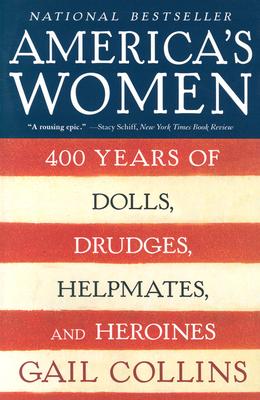
America’s Women, Gail Collins (2004-2005): This was actually a book group read for my in-person book group. And I was blown away. Not only by the subject matter — Collins delves into history (or herstory?) in a very in-depth way — but by the fact that this book was so readable. Up to this point, I wasn’t that interested in history books; history was boring, history was dry. But, this showed me that history could be interesting, fun, and memorable.

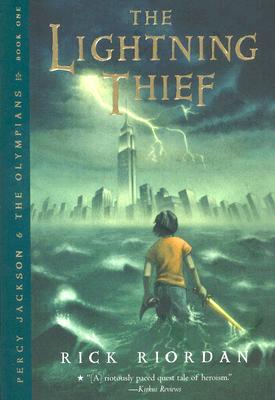
The Lightning Thief, Rick Riordan (2005-2006): One of the things I’m proud of is getting on the Percy Jackson bandwagon before he got really big. I picked this up on a whim — even with the horrid hardback cover — at my library, and couldn’t put it down. It’s not deep, but it is clever and I thought, from the outset, that Riordan’s use of Greek mythology was brilliant. I’m just glad that my girls (well, M and C) love it as much as I do.

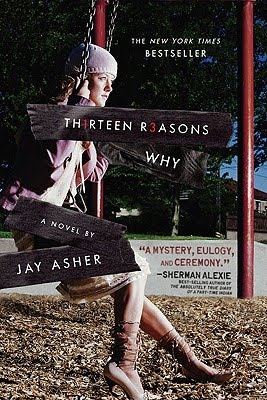
Thirteen Reasons Why, Jay Asher (2006-2007): I don’t usually write letters to authors. (Well, unless I want to interview them, anyway.) But I finished this book — I won the ARC in a giveaway — and I was blown away. Literally. It’s one of those books that changed the way I see people, affected me deeply, and I needed to share that with the author. It’s not for everyone, but I do recommend it, and loan my battered ARC out, whenever I feel it’s right. Because it’s an amazing book.

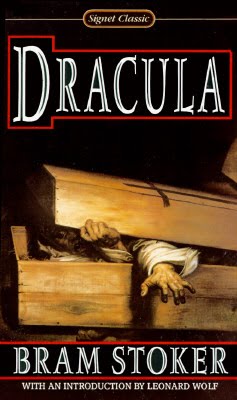
Dracula, Bram Stoker (2007-2008): I avoided Carl’s RIP challenge for years, because horror and mystery are not my “things”. For some reason, though, this year I decided to sign up for it, and I picked Dracula as one of my reads. (Possibly chalk it up to being interested in vampires due to Twilight…) I was amazed. Completely and utterly blown away. I was reminded that I did, once, love horror (I went through a Poe phase), and that it’s not the gore that I love but the mood. That spine-chilling, goose-bump inducing mood. And Dracula has that in spades, which thrilled me to no end.

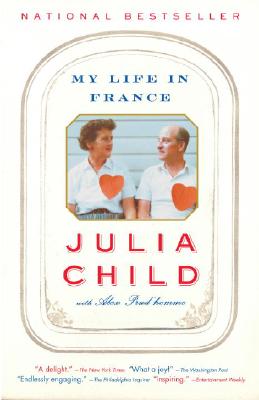
My Life in France, Julia Child (2008-2009): I love food books, and so I knew going in that I would like this one. I wasn’t prepared, though, for just how awesome Julia Child was. Determined, focused, funny, amazing. I loved her joy, and how that joy — of love, of life, of food, of France — came through in her stories. It did lose a little steam near the end, but by that time I was invested: I am, unabashedly, a Julia Child fan. And I would happily read this book over and over again.

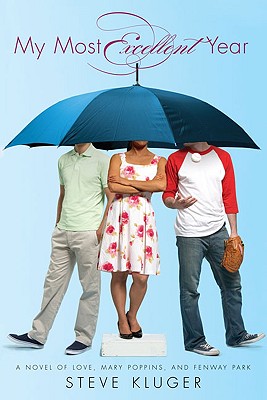
My Most Excellent Year, Steve Kluger (2009-2010): I adored this book. Hands down. As much as I adored The Casson family books by Hilary McKay. (They should be on this list; but the reasons why are similar to the reasons for this book, so I excused them.) I fell in love with the characters, and I want to move in next door to them and be their friend. I want them to take me in, and let me bask in their awesomeness, their quirkiness, their uniqueness. I was charmed the entire time I was reading about them, and I feel that, somehow, my life is better for having visited their world. It’s become a comfort read, something to pick up when I’m feeling down, because I know, without a doubt, that I will be happier when I finish reading.

So, what are some of your all-time favorites?

Sunday Salon: Ten Influential Books

I was musing about the fact that I didn’t have a Sunday Salon post, and hubby mentioned that around the blogs he frequents, they’re talking about the ten influential books in their lives. Hubby’s list includes 15 heady philosophical books; he said that while it’s mostly academics doing this, there’s no reason why us non-academic readers can’t play along.

So, ten influential books in my life, in no particular order:

Omnivore’s Dilemma, by Michael Pollan: I’ve mentioned this before, but Pollan has changed the way I — we — think about food. It started with some articles that were the basis of this book, but ever since I first read them, I’ve been obsessive about High Fructose Corn Syrup in my diet. I make bread weekly because of this man. I shop at farmer’s markets and buy my meat from a local rancher because of this man. I cringe every time I walk into Wal-Mart (it’s still a work in progress; we are on a limited budget after all) because of this man. My life is healthier because of this man, and I am glad for it.

Beauty, by Robin McKinley: this is what started my love of KidLit as an adult. A friend was properly shocked that I hadn’t read this, handed it to me, and I’ve never looked back. So they’re kids books? So what? I love kids books. I love the writing — I think it’s tighter, almost better, than adult books — and I love the stories being told. My life would be so much less without the kids books that I read.

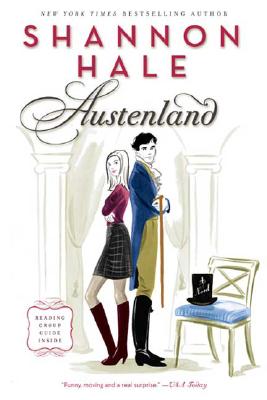
Austenland, by Shannon Hale: admittedly, it’s not one of Shannon Hale’s better books, though I do like it quite a bit. But, this is on my list because it’s the first ARC I requested from a publisher. I’d never even thought about doing that before Andi and Heather came into my life, and then suddenly a whole new world was opened up: I could request books! Before they are published! I heard about this one; I coveted it. And, when I asked, they sent it to me! Amazing. I’m still not as into all the ARC love as other bloggers, but I do like it when I get some in the mail. It’s kind of a validation thing, I guess. At any rate, I do love what I do.

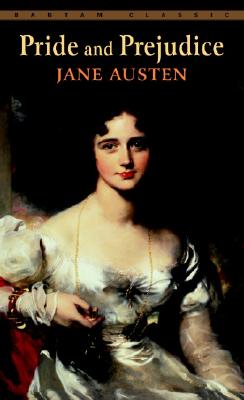
Pride and Prejudice, by Jane Austen: I couldn’t not have a Jane Austen on here, right? This one, my mother handed to me when I was 14 and I just didn’t get it. Everything fell flat. Luckily A&E and Colin Firth came along and reintroduced me to Lizzy and Mr. Darcy (yes, I saw the miniseries before I read the book!). I went back to the book, discovered Jane’s wit and observations and humor, and fell in love with her. Now I can’t imagine literary life without picking up and reading an Austen book once in a while.
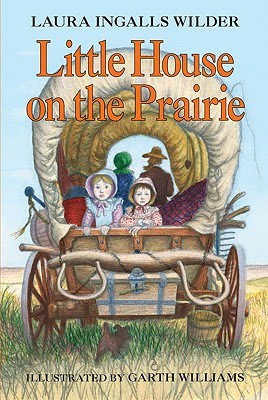
Little House on the Prairie, by Laura Ingalls Wilder: Hubby said I should have a book from my childhood, and this one popped into mind. As I wrote to Besty at Fuse #8 when I submitted my Top 10 Children’s fiction books: “This was one book that spurred my love of reading. I read it so many times when I was a kid that I practically memorized it. (And I still quote passages of it to my children.) I wanted to be Laura. I wanted to enjoy life like Laura. I wanted to write like Laura. I’m glad I had Laura in my life.”

Sports Illustrated magazine: I know: not a book. But, honestly, it influenced me to major in journalism in college. I had my own subscription for most of high school, paid for with my own money. My mom would always watch for the swimsuit issue and squirrel it away — though I managed, on occasion, to find it: there were articles I wanted to read! It fed my love of sports, it showed me what tight, interesting, good reporting could do. I suppose I should have been reading Time or Atlantic Monthly, but, dang it, I loved my SI.

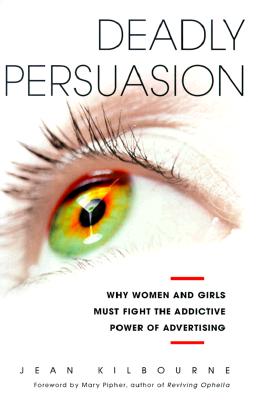
Deadly Persuasion, by Jean Kilborne: Soon after C was born, a friend loaned me this book. It simultaneously scared and empowered me: these girls I was embarking upon raising were going to be inundated with terrible images from the media, they would be pressured into buying things that were degrading to them, and yet… I had the power to teach, to guard, to guide, to put my money where my mouth was. Which is why I won’t let my kids be billboard ads for companies, among other things.

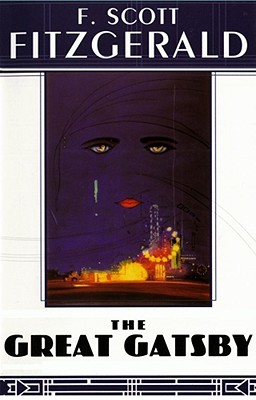
The Great Gatsby
, by F. Scott Fitzgerald: Hubby thought this was an odd inclusion: why does a book that I haven’t opened up in 20 years rate here? Because, for me, this is all tied up in thinking about music and literature and the power of metaphor. I’m not sure it changed me, but it did stay with me.

Civil Disobedience, Henry David Thoreau: I’m a pacifist. I can pinpoint this to my reading of Thoreau’s work and the whole idea of non-violent protest as a means for change. My admiration of Martin Luther King, Jr. and Ghandi came from this essay, too. It resonated deep within me, and — again — even though I haven’t reread this since high school, I found that it fundamentally changed my thinking about war, about protest, about how to go about creating change.

I’m a Stranger Here Myself, Bill Bryson: I’m sure I could have picked any number of travel books to fill this last slot; ones that feed the wanderlust that my pocketbook cannot satiate. But, it comes down to this one: Bryson’s hysterical reflections on being reintroduced to America after years of living in England. It feeds into my European sensibilities, it looks at my country with a new and fresh light. But, most of all, it makes me laugh.

So, there are my ten. What are yours?

Ten Books I Can’t Live Without

Kailana over at The Written World is collecting bloggers lists of books that they can’t live without . (I found it through Bookgirl’s Nightstand; she’s got a great list). It sounded like fun, so I’m throwing out my ten.

In no particular order:

1. My Jane Austen fix: Pride and Prejudice (or Persuasion). Can’t live without it. In fact, I need to read it again soon. It’s been too long.

2. I Capture the Castle, Dodie Smith: This one has shown up on a couple people’s lists. So totally charming, so totally engaging. So totally wonderful.

3. The Orange Girl, Jostein Gaardner: It’s a wonderful little book. A letter from a (dead) father to his son (who’s 11 when he reads it), it’s the story of how he and his wife met. Just about perfect.

4. My Name is Asher Lev, Chaim Potok: Out of all the Potok books I’ve read (which is most of them, at one point or another), this one touched me the most. I liked the sequel, too, but not as much.

5. Beauty, Robin McKinley: Ah, to only put one Robin McKinley book down. That is a shame. But, this one is here not because it’s my favorite, but because it was the first one I ever read by her. And I really like it.

6. A Little Princess (or Secret Garden), Frances Hodgson Burnett: I love her stories, I love her story telling.

7. Maps in the Mirror, Orson Scott Card: I’d put one of his novels down, but I find too much at fault with them. With Maps in the Mirror, you get the best of Scott Card without all the excess: it’s a collection of short stories.

8. Hitchhiker’s Guide to the Galaxy, Douglas Adams: Babel fish, Marvin the robot, Zaphod Beeblebrox, and don’t forget your towel.

9. The Giver, Lois Lowry: Again, I love much of what I’ve read by her. This one is not only representative of everything, but is really the best. Well, maybe Number the Stars comes close, too.

10. The Beggar King and the Secret of Happiness, Joel ben Izzy: Ah, a nonfiction book. I think I meant to keep this all fiction, but in thinking about my list, I couldn’t not leave some non-fiction off. This one is slight, but powerful. It’s his journey in learning how to be happy where he is in life, and to stop wishing for something other than what he had. Powerful.